Bihar Imam Killed on Moving Train, Family Releases Last Call Audio
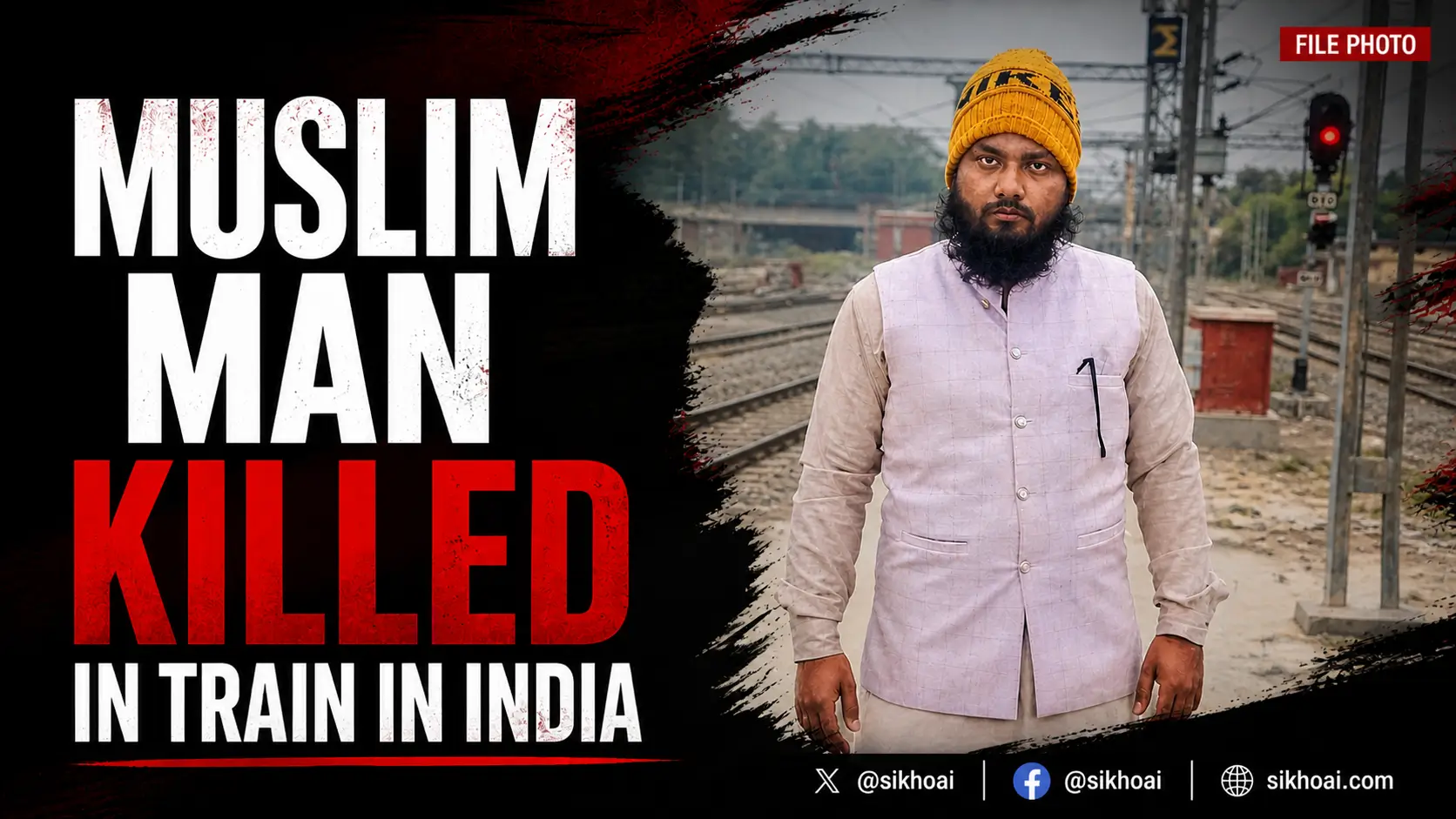
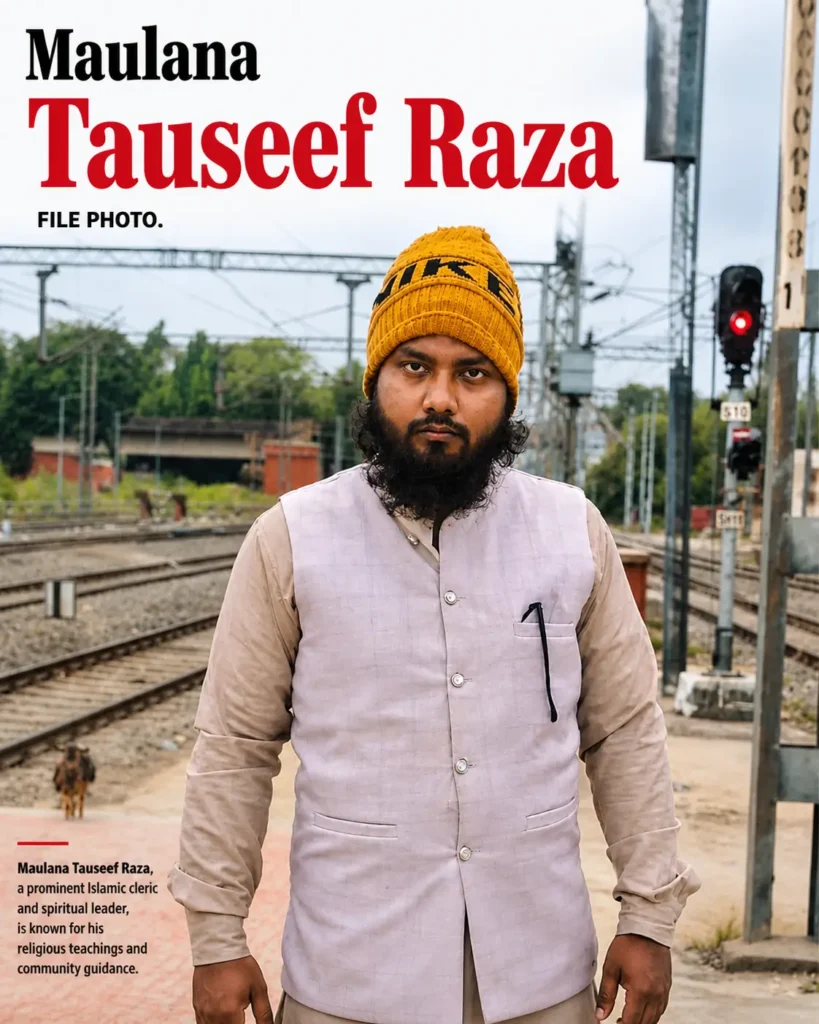
File photo of Maulana Tauseef Raza after his death on railway tracks in Bareilly, India, where family members allege he was assaulted on a train before being thrown out.
BAREILLY: A 30-year-old imam from Bihar was found dead beside the railway tracks in Bareilly on April 27. His family refused to accept the police theory of an accidental fall. They produced a phone recording. Now the case has taken a sharp turn.
Maulana Tauseef Raza was a cleric at a mosque in Siwan district. He had travelled to Bareilly to attend an Urs festival. He was returning home on the Muzaffarpur Special Fare Summer Special train on the evening of April 26. By the next morning, his body lay on the tracks near Palpur Fatak under Cantonment police station.
His identity was confirmed quickly through an Aadhaar card found on him. But what happened inside that train is now the subject of a fresh police investigation.
What the Family’s Audio Evidence Shows
Raza made a phone call to his wife Tabassum while he was still on the train. That call lasted 36 seconds. The family recovered the recording from his phone later.
In the audio, Raza tells his wife clearly that men inside the train were harassing him. He says he was caught. He says he was being beaten. Fellow passengers were calling him a thief. He told his wife he had already informed the police.
Tabassum, speaking in a video that has now circulated widely, said she urged her husband to seek help from other passengers nearby. She tried to switch to a video call to see the attackers. But the call ended abruptly. Raza was still under threat when the line went dead.
Family says the audio makes one thing clear. Raza did not fall. He was attacked.
Police Response: From Accident to Fresh Probe
The first post-mortem report suggested that Raza fell from the moving train and struck a pole. Bareilly Superintendent of Police Manush Pareek told reporters that initially no foul play was suspected. The body was handed over. It looked like a closed case.
Then the family listened to the phone recordings.
They approached the police again. They demanded that the accidental fall theory be set aside. They said the audio and the call records prove a crime happened before the death.
Police have now opened a fresh investigation. Officers say they are in contact with the family. The family plans to file a formal complaint on Sunday. The audio recording will be submitted as key evidence.
Investigators will now have to answer several questions. Was Raza pushed from the train? Was he thrown after being beaten? Who were the men harassing him? Did anyone else on that coach see what happened?
Who Was Maulana Tauseef Raza
Raza was 30 years old. He was from Kishanganj in Bihar. He worked as an imam at a local mosque in Siwan. He had married Tabassum two years ago. The couple had no known disputes with anyone.
People who knew him described him as a quiet religious man with a simple life. He had no criminal record. No history of fights. No known enemies. His trip to Bareilly was purely religious. He went for Urs. He boarded the train to come back. He never reached home.
His uncle Rizwan Alam told reporters that the family was in shock when the body first arrived. They had no reason to suspect anything other than an accident. The phone recordings changed everything.
Train Safety and the Fear of Minority Passengers
This case has not happened in isolation. It fits a pattern that rights groups have been documenting for years. Muslim passengers, small traders, and daily wagers have been targeted on trains and at stations. Allegations of theft, cow smuggling, or beef carrying are often made. Sometimes these allegations turn into mob attacks.
India runs one of the largest railway networks in the world. Millions travel daily. Special summer trains are packed. In crowded coaches, a rumour can spread fast. An argument can turn violent in minutes. For a passenger travelling alone, especially from a minority community, the risk is real.
Raza was on the phone when the trouble started. He tried to report it. He tried to tell his wife. He asked for police help. Yet within hours he was dead.
The railway police and the local police both have jurisdiction in such cases. Quick action at the time of the incident matters most. Here, the first report recorded no crime. The case moved forward as an accident. Only family evidence forced a relook.
Many families do not have such recordings. They accept the first report. They suffer silently.
The Role of Digital Evidence in Modern Policing
This case shows how mobile phones are changing the way crimes are reported and investigated in India. A short audio clip, a video call attempt, call logs, the timing of the call matching the train route. All of this can become forensic evidence.
Police will now have to:
Verify the audio recording
Match the call timing with the train location
Check if Raza’s phone was active after the call ended
Examine the head injury again for signs of assault
Look for CCTV footage from stations where the train passed
Question co-passengers if they can be traced
Railway records will show the exact coach and seat. If the train had CCTV inside the coach, that footage will be critical. If not, witness statements become even more important.
A proper investigation needs speed. Records can be lost. Witnesses can disappear. The family hopes that the new probe will move faster than the first response.
What the Family Wants Now
The family has one demand. The truth. They want to know who harassed Raza. Who beat him. Who is responsible for his death. They want an FIR registered. They want arrests if the evidence points to a crime.
Tabassum lost her husband of two years. She heard his voice asking for help. She could not save him. Now she wants the system to do its job.
The family will travel to Bareilly to submit the formal complaint and the recordings. They have asked for a transparent investigation. They have also asked that the initial accident theory not be used to close the case quietly.
Community leaders in Bihar have also taken note. They have urged the Uttar Pradesh police to treat this case with seriousness. They say the trust of minority citizens in law enforcement depends on how such cases are handled.
Bigger Questions This Case Raises
Every such death leaves behind questions that go beyond one family.
Is it safe for a minority citizen to travel alone on an Indian train at night? Will a complaint from a Muslim passenger be taken seriously while the train is moving? How many accidental fall cases on railway tracks actually hide crimes? How many families accept the first police version because they have no proof?
These are not easy questions. But they are important.
The National Crime Records Bureau does not separately track religion-wise lynching or attacks on trains. Most data comes from media reports and rights organisations. The numbers show a worrying trend. Between 2015 and 2023, dozens of Muslims were killed in mob attacks linked to cow vigilantism and false rumours. Many of these attacks happened in BJP-ruled states. The attackers often enjoy political support or slow investigations.
This case may not be directly linked to cow vigilantism. But it follows a familiar template. A Muslim man travelling. An allegation made. A crowd turns hostile. The victim dies. The first report says it was an accident or suicide. Only evidence from the victim’s side changes the direction.
What Happens Next
The police in Bareilly have promised a fresh investigation. The post-mortem report will be re-examined. The audio will be sent for forensic analysis. Officers may also check the call detail records of Raza’s phone to map his last movements.
If the investigation finds evidence of assault leading to death, the case will be converted into a murder investigation. Sections of the Indian Penal Code related to culpable homicide and assault will be applied. The railway police and local police will coordinate.
Bareilly SP Manush Pareek has said that police are in touch with the family and the matter is being probed afresh. The family expects an FIR to be registered soon.
The case is now in the public domain. Media outlets in Bihar and Uttar Pradesh are tracking developments. The pressure is on the police to deliver a credible investigation.
A Family Waits for Answers
Raza’s body has been handed over. The burial is done. What remains is grief, a short audio file, and a wife’s memory of her husband’s last call.
Tabassum heard her husband say he was in danger. She heard him say he had called the police. She heard the call end. She will carry that sound for the rest of her life.
The family is not wealthy. They are not politically connected. What they have is a recording. And the hope that this time, the system will listen.
The outcome of this investigation will be watched closely. It will tell other families whether their evidence matters. It will tell minority citizens whether their complaints will be acted upon. It will tell every Indian whether a train journey is safe for all, or only for some.
About the Author