What is AR and VR? Exploring Immersive Tech
Explore AR and VR Technologies \u2013 Learn how Augmented Reality enhances real-world experiences and Virtual Reality creates immersive digital environments.
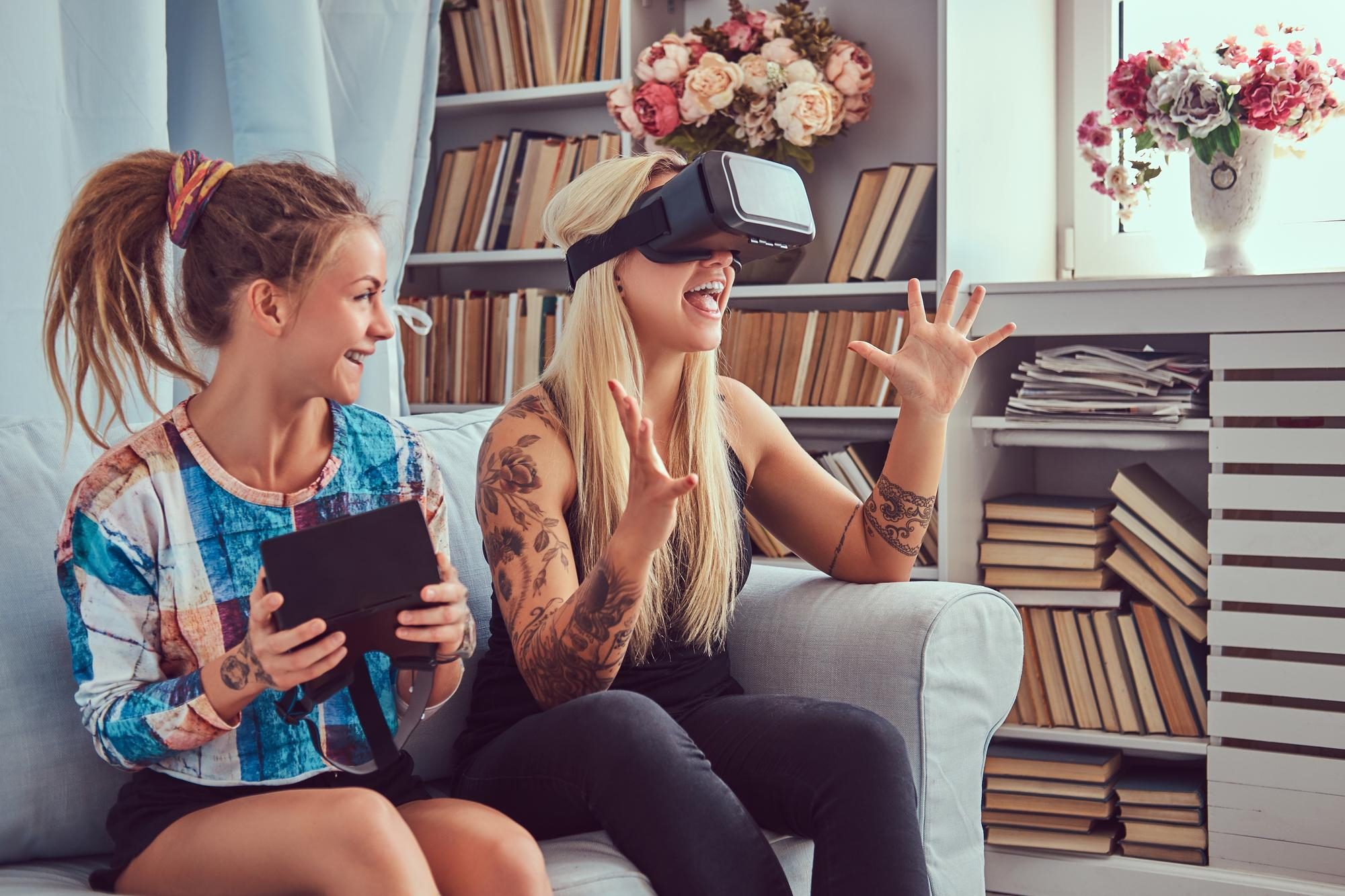
Today’s post is all about AR (Augmented Reality) and VR (Virtual Reality). You might have seen many reels on social media platforms like Instagram, TikTok, and YouTube, where people wear a large goggle-like device on their heads. These devices are at the core of AR and VR technologies. In this article, we’ll dive deep into these fascinating technologies. This post is slightly longer, so take your time and read it carefully to understand everything in detail.
Augmented Reality (AR) vs. Virtual Reality (VR): What’s the Difference?
Augmented Reality (AR) and Virtual Reality (VR) are two cutting-edge technologies that have the potential to revolutionize our digital experiences. While they may seem similar at first glance, they are fundamentally different and serve unique purposes. In this post, we’ll explore the key differences between AR and VR, provide real-world examples, and highlight the possibilities they offer. Let’s dive into the details of these exciting technologies.
What is Augmented Reality (AR)?
Augmented Reality (AR) is a technology that overlays computer-generated imagery and information onto the real-world view. For example, when you use your smartphone’s camera to view a park and see digital arrows or information appear on the screen, that’s AR in action. AR devices, such as smartphones, tablets, or AR glasses, use cameras and sensors to scan the real world and enhance it with digital elements.
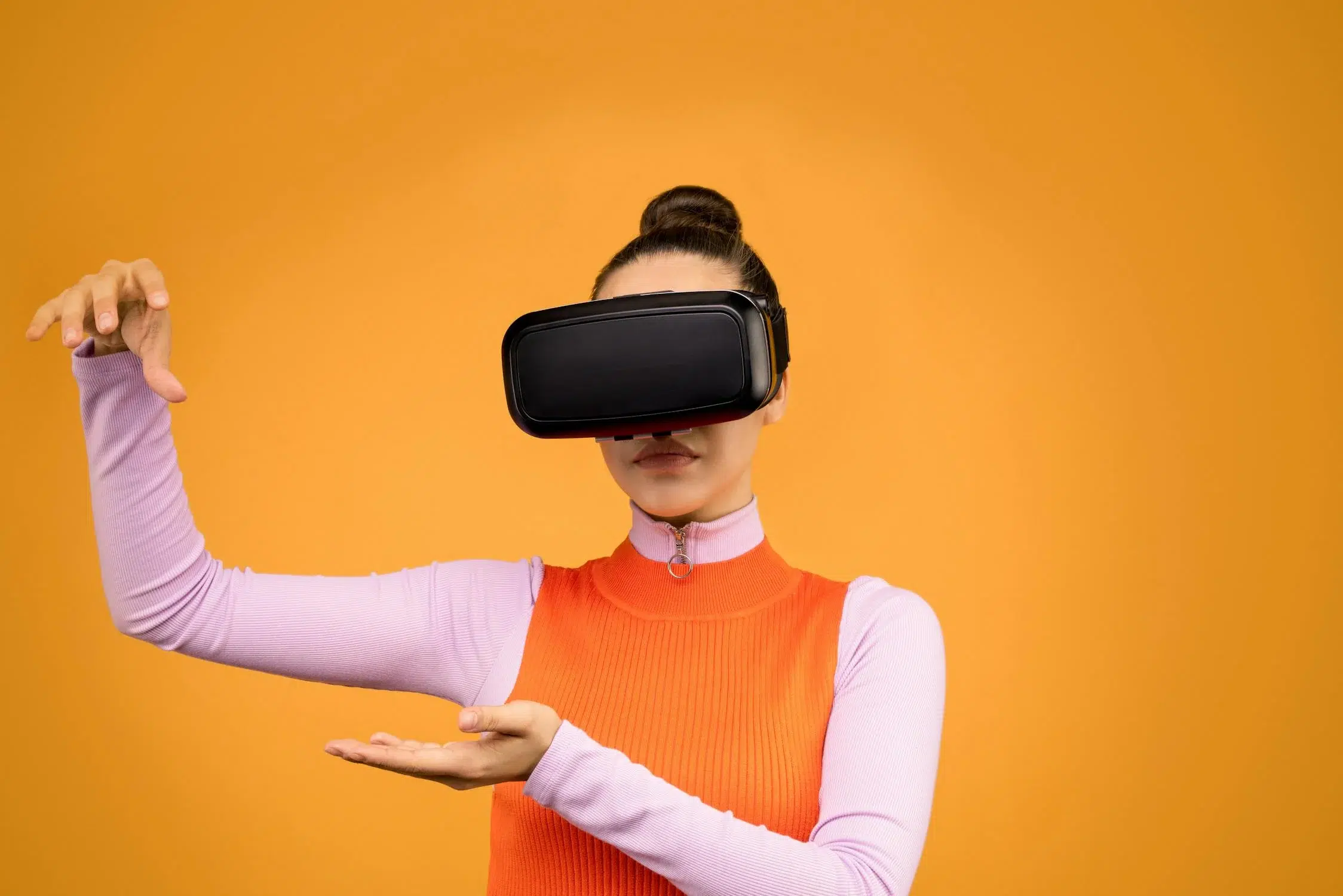
Augmented Reality (AR): How It Functions and Intriguing Examples
Augmented Reality (AR) technology has brought a new and exciting dimension to our everyday experiences. Whether we’re playing mobile games, shopping, or traveling to a new place, AR has blurred the lines between the digital and real world. Now, we can see digital content around us, seamlessly integrated with our physical environment. So, the question is – how does AR work?
Let’s dive into understanding how AR functions and explore some amazing examples of how it’s transforming our lives.
How Does Augmented Reality (AR) Work?
The primary goal of AR technology is to overlay digital content onto the real world in such a way that the user perceives it as a cohesive experience. This technology relies on several advanced sensors and algorithms to accurately place virtual objects in our real-world surroundings. AR works through two main technical approaches:
1. Marker-Based AR
In marker-based AR, specific markers or images are used. When the AR device detects these markers, it triggers associated digital content or 3D objects. For example, if you see a QR code on the cover of a book or a special symbol in an advertisement, scanning it could display additional digital information about the item. This method is popular in educational, gaming, and advertising sectors.
2. Markerless AR
Markerless AR is a more advanced technique that doesn’t require physical markers. Instead, it uses SLAM (Simultaneous Localization and Mapping) and Location-Based AR.
Location-Based AR relies on sensors such as GPS, compass, and accelerometers to determine the user’s location and overlays digital information relevant to that location. This technology is especially useful in shopping and travel experiences.
On the other hand, SLAM technology allows the device to create a 3D map of its surroundings and overlay digital objects onto it with high precision. SLAM enables AR to function effectively without the need for any markers.
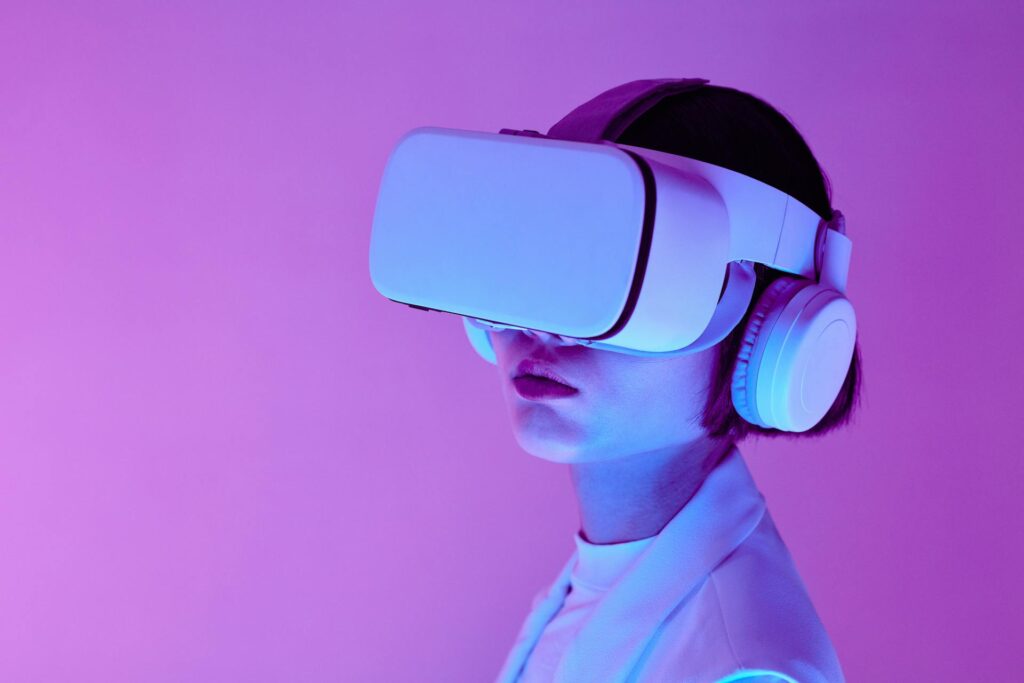
Fascinating Examples of Augmented Reality
AR has not only enhanced entertainment and shopping experiences but has also made its mark in various other industries. Let’s explore some fantastic examples where AR is transforming user experiences:
1. Mobile Apps: Pokémon Go and Snapchat
Pokémon Go – This game is one of the most well-known examples of AR, where players search for and catch virtual Pokémon in their real-world surroundings. AR is used in this game in a location-based manner, making Pokémon appear in real-world locations. It’s not only fun but also keeps players active and healthy.
Snapchat – Snapchat’s AR filters allow users to apply fun and creative effects to their faces or videos in real-time. This is a great example where AR provides users with a personalized and interactive experience.
2. Retail and Shopping
AR has revolutionized the retail industry by making the shopping experience more engaging and convenient.
IKEA’s AR app, IKEA Place, allows customers to virtually place furniture in their homes before purchasing it. This way, they can see how the items will look in their rooms, helping them make better decisions.
Amazon‘s AR View feature lets users see how products will fit in their space, allowing them to better visualize the item in their environment before buying it.
3. Navigation and Travel
Google Maps has introduced an AR navigation feature that offers real-time direction overlays on the user’s phone screen. These digital arrows and signs are superimposed onto the live camera feed, guiding users through their journey with virtual assistance. This makes it easier for travelers to stay on track and follow directions without any hassle.
4. Automotive
The automotive industry is incorporating AR technology into head-up displays (HUD) to show critical information like speed, navigation directions, and call alerts to drivers, all while keeping their eyes on the road. This feature helps drivers stay informed and ensures a safer driving experience.
The Future of Augmented Reality
AR is still in its early stages, and the possibilities for its use are growing exponentially. In the coming years, we can expect AR to make revolutionary changes in fields like education, healthcare, art, and construction.
In Education, AR will help students learn in an interactive and visually immersive way. In Healthcare, it could assist surgeons with real-time data during surgeries. Additionally, in Business, AR will help increase efficiency and provide innovative solutions to complex problems.
Want to Experience AR?
Now that you know how AR works, why not make it a part of your life? Whether through mobile apps, AR shopping, or gaming, AR can make your experiences more exciting and immersive! AR has the power to transform the way you interact with the world around you and create a more engaging and interactive reality. So, let’s embark on a new digital journey with the help of AR.

Virtual Reality (VR)
Virtual Reality (VR) is a groundbreaking technology that immerses users in a simulated environment, which can either replicate the real world or present entirely imaginary realms. By wearing a head-mounted display (HMD), users are transported into a 3D digital world that responds to their movements and interactions. Whether you’re playing an exciting game, undergoing professional training, or exploring new places, VR is reshaping how we experience and interact with technology.
Let’s embark on a journey into the exciting realm of VR, discover its inner workings, and explore its incredible applications.
What is Virtual Reality (VR)?
Virtual Reality creates a digital environment where users can immerse themselves entirely, experiencing sights, sounds, and sometimes even touch as if they are part of that world. The central component of this technology is the HMD, which acts as a window to this new reality.
VR not only provides an engaging experience but also enables interaction with the environment using controllers, motion tracking, and even eye-tracking technology
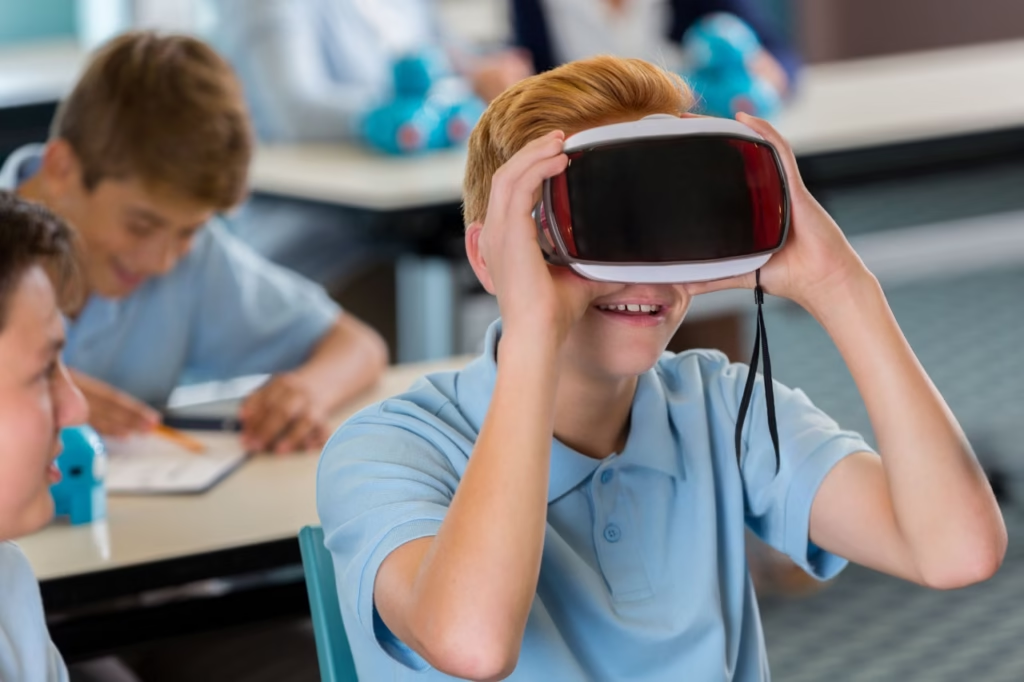
How Does Virtual Reality Work?
Creating a believable VR experience requires a combination of advanced technologies working together seamlessly. Here’s how VR systems achieve this:
1. Head-Mounted Display (HMD)
The HMD is the main hardware that displays 3D visuals directly in front of the user’s eyes. It uses stereoscopic displays to provide depth perception, making the virtual world appear three-dimensional.
2. Head Tracking
Sensors like gyroscopes, accelerometers, and magnetometers in the HMD detect the user’s head movements in real time. As you look up, down, or turn your head, the VR environment adjusts accordingly, providing a smooth and realistic experience.
3. Motion Tracking
Motion tracking takes immersion to the next level by capturing your body movements. Handheld controllers, gloves, or external cameras can track your hands or full-body movements, allowing you to interact with virtual objects naturally.
4. Eye Tracking
Some advanced VR systems include eye-tracking sensors that monitor where the user is looking. This technology enhances realism, improves rendering efficiency, and even allows gaze-based interactions, like selecting objects by simply looking at them.
5. Spatial Audio
Sound plays a vital role in making VR experiences lifelike. With spatial audio, users can hear sounds from specific directions, such as a bird chirping above or footsteps approaching from behind, matching the virtual world’s visuals.
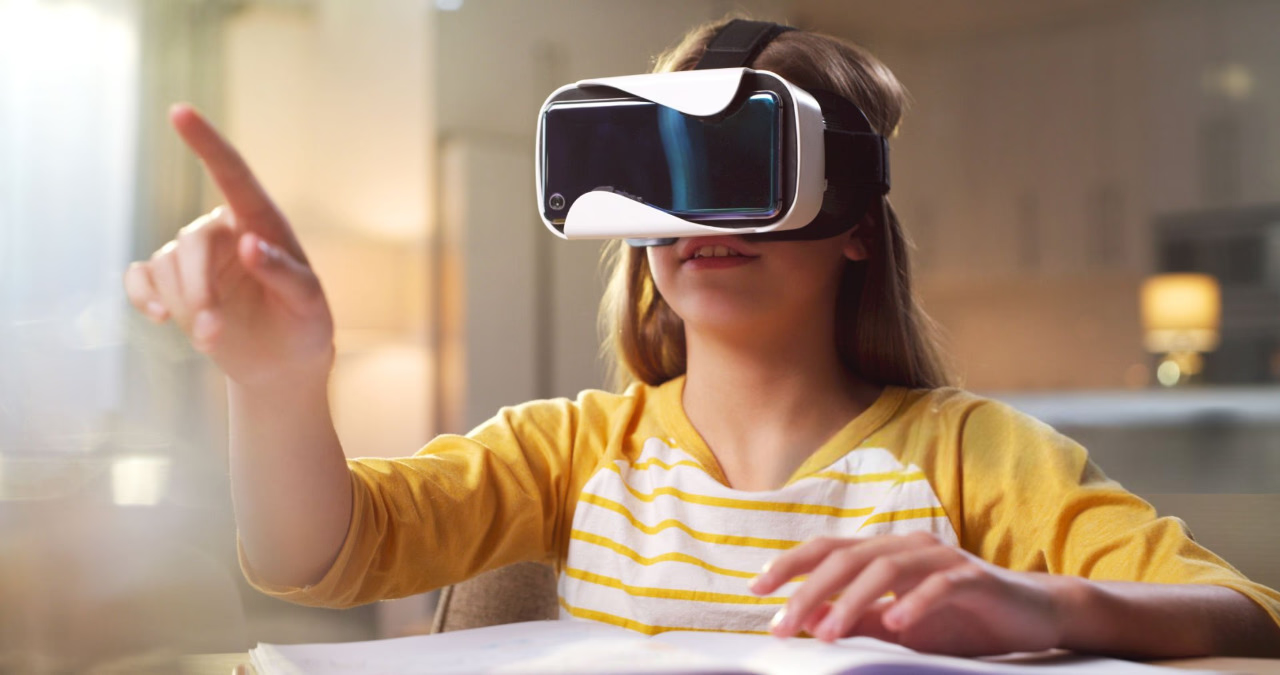
Incredible Applications of VR
VR isn’t limited to just gaming—it’s revolutionizing industries and opening new possibilities. Let’s explore how VR is transforming different fields:
1. Gaming
Gaming is one of the most popular uses of VR, offering players fully immersive experiences:
- Half-Life: Alyx takes players into a thrilling world with interactive environments.
- Beat Saber combines music and movement for a rhythmic gaming experience.
- Superhot VR allows players to manipulate time in action-packed gameplay.
2. Training and Simulations
VR is extensively used for professional training and skill development:
- Medical Training: Surgeons practice complex procedures in a risk-free virtual setting.
- Military Simulations: Soldiers train in lifelike combat scenarios to prepare for real-world missions.
- Flight Simulators: Pilots use VR to learn how to handle various flying conditions and emergencies.
3. Architecture and Design
Architects and designers use VR to create virtual walkthroughs of buildings and spaces:
- Clients can visualize homes, offices, or landscapes before construction begins.
- VR allows adjustments and feedback during the design phase, reducing errors and costs.
4. Virtual Tourism
Travel enthusiasts can explore the world without leaving their homes:
- Visit iconic landmarks like the Eiffel Tower or the Great Wall of China virtually.
- Experience museum tours or dive into remote natural landscapes, all from the comfort of your living room.
5. Education and Learning
VR provides interactive and engaging ways to learn complex concepts:
- Students can explore the human body in 3D to study anatomy.
- Historians can virtually visit ancient civilizations for deeper insights.
Why is VR So Exciting?
VR is more than just a technology—it’s a gateway to experiences that were once unimaginable. From creating lifelike simulations for training to enabling people to explore places they might never visit physically, VR is unlocking endless possibilities.
Imagine walking on Mars, attending a live concert from your living room, or learning new skills through immersive practice. The possibilities are limitless.
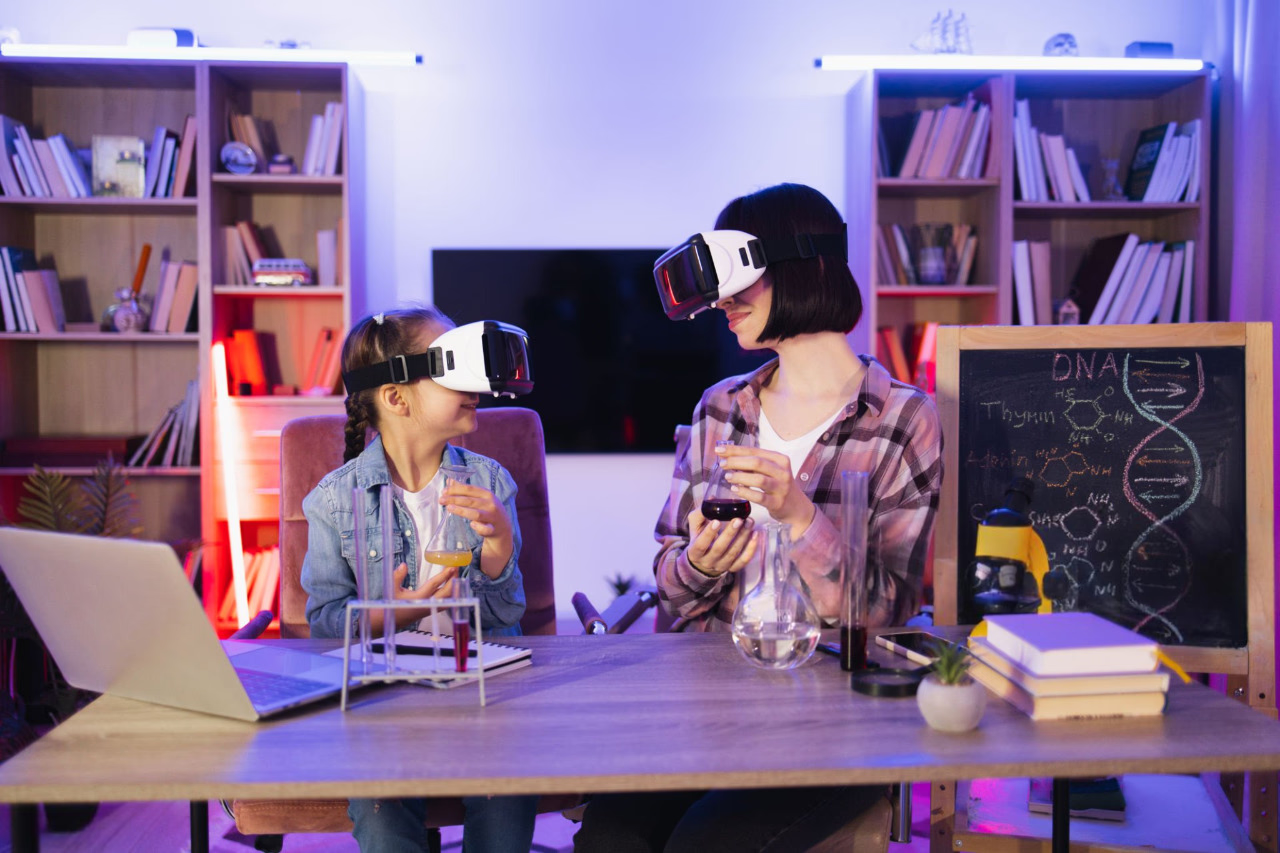
The Future of VR
As technology evolves, VR is set to become even more advanced and accessible. Upcoming innovations may include:
- Haptic Feedback Gloves: Allowing users to “feel” virtual objects.
- Wireless VR Systems: For untethered and more comfortable experiences.
- Better Accessibility: Affordable headsets for mass adoption.
VR is not just shaping entertainment but also revolutionizing industries like healthcare, education, and tourism. It’s the future of how we learn, work, and play.
Ready to Experience VR?
Whether you’re a tech enthusiast, a gamer, or just curious, VR has something for everyone. Dive into this virtual realm and experience a whole new way of interacting with the world around you.
So, what are you waiting for? Put on a headset and step into a new dimension! 🚀
Love tech? Bookmark Trendsnip for the latest on VR, AI, Gadgets, and more. For tech quizzes and updates, join our Telegram channel and keep your curiosity alive. 🚀
- Enhances the real-world environment with digital elements.
- Users can still see and interact with their physical surroundings.
- Devices: Smartphones, tablets, AR glasses.
- Applications: Retail (IKEA Place), navigation, education.
- Often location-based or marker-based for interaction.
- Less immersive compared to VR but blends real and virtual seamlessly.
- Creates a completely virtual, immersive environment.
- Users are isolated from the real world.
- Devices: VR headsets (Oculus, HTC Vive, PlayStation VR).
- Applications: Gaming, training simulations, virtual tourism.
- Requires motion tracking and hand-held controllers for interaction.
- Highly immersive but disconnects users from reality.
About the Author