Leaked Memo Reveals Apple’s Top AI Priorities for 2025
Apple’s AI Strategy for 2025: Leaked Memo Highlights Siri Overhaul and Advanced AI Models
Apple’s Top AI Priorities for 2025
Washington, D.C. – Apple has long been synonymous with innovation, renowned for iconic products like the iPhone, iPad, and Mac. However, in the rapidly advancing world of artificial intelligence (AI), the tech giant is now playing catch-up. Arecently leaked memo has shed new light on Apple’s strategic priorities for 2025, revealing a transformative upgrade to Siri and a renewed focus on developing advanced Large Language Models (LLMs). These initiatives underscore Apple’s commitment to reclaiming its leadership in the AI domain, while also addressing growing criticism about its lagging capabilities in this fast-evolving sector.
While Apple remains highly regarded for its hardware design, ecosystem integration, and user privacy safeguards, observers note that the company’s AI efforts have not kept pace with those of its competitors. The leaked memo details a comprehensive plan to invest heavily in machine learning infrastructure and human capital, aiming to supercharge Siri’s natural language understanding and contextual awareness. By integrating these advanced AI features across the Apple ecosystem, including devices like the Apple Watch, HomePod, and upcoming AR/VR headsets, the company hopes to deliver more intuitive, human-like interactions that go beyond simple voice commands.
Furthermore, Apple’s emphasis on developing robust Large Language Models signals a new era of innovation that could reshape how users interact with Apple devices and services. With the emergence of AI-driven assistants from tech rivals, Apple’s roadmap for 2025 aims not only to catch up but to leap ahead in delivering cutting-edge, privacy-focused solutions. As AI continues to transform industries and daily life, Apple’s renewed commitment may well set the stage for the next major chapter in its storied history of technology leadership.
Apple’s foray into AI began early, with Siri debuting as a revolutionary voice assistant in 2011. However, Siri has since struggled to keep pace with competitors like Google Assistant and Amazon Alexa, let alone the generative AI capabilities demonstrated by OpenAI’s ChatGPT and Google’s Gemini AI. These rivals have redefined user expectations, integrating deep contextual understanding and advanced conversational abilities into their ecosystems.
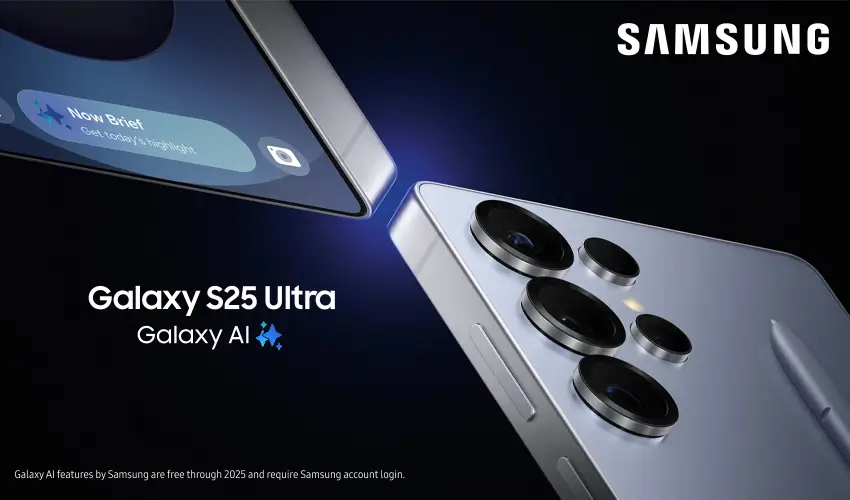
Apple’s challenges in AI have become more pronounced as companies like Samsung continue to push the envelope with AI-driven features in their Galaxy S25 smartphones. Meanwhile, Google is embedding its cutting-edge Gemini AI into nearly every facet of its hardware and software ecosystem. The leaked memo—first reported by Bloomberg and further elaborated by 9to5Mac—acknowledges Apple’s current position and outlines a path forward.
- Kim Vorrath Joins the AI Division
A notable move highlighted in the memo is the transfer of Kim Vorrath, a seasoned Apple executive renowned for her expertise in software project management. Vorrath’s new role in the AI division underscores the seriousness of Apple’s commitment to revitalizing its AI strategy. Her primary task will be to spearhead efforts to refine Siri and ensure the development of competitive AI technologies.
John Giannandrea, Apple’s Senior Vice President for Machine Learning and AI Strategy, emphasized in the memo that these changes are critical for Apple’s future. By aligning leadership and resources around AI, Apple aims to address the growing perception that it has fallen behind in one of the most transformative technological arenas of our time.
- Transforming Siri into a Competitive Digital Assistant
When Siri launched, it was hailed as a game-changing innovation, offering voice-controlled functionality that felt futuristic at the time. However, over the years, Siri’s limitations have become glaringly obvious. Frequent criticisms include its inability to handle complex queries, limited contextual understanding, and lack of integration with third-party applications. These issues have led many users to favor alternatives like Google Assistant, Amazon Alexa, or even standalone AI models such as ChatGPT.
Apple’s plans for Siri include significant improvements in natural language processing (NLP) and contextual awareness. These upgrades are not merely about catching up but rather positioning Siri as a unique and indispensable part of the Apple ecosystem. For example, enhanced NLP capabilities could allow Siri to better understand nuanced questions, while contextual improvements might enable it to offer personalized recommendations based on user habits and preferences.
Additionally, Apple is likely to focus on deeper integration of Siri across its devices and services. Imagine a Siri that seamlessly assists with complex workflows on macOS, predicts your needs while using iOS, and offers a unified experience across Apple TV, HomePod, and even CarPlay. Such enhancements could transform Siri from a mere voice assistant into an intelligent, proactive partner for users.
 Apple Leaked Memo Reveals AI Priorities for 2025
Apple’s internal documents reveal a major push toward Large Language Models and an upgrade to Siri as part of a new AI strategy.
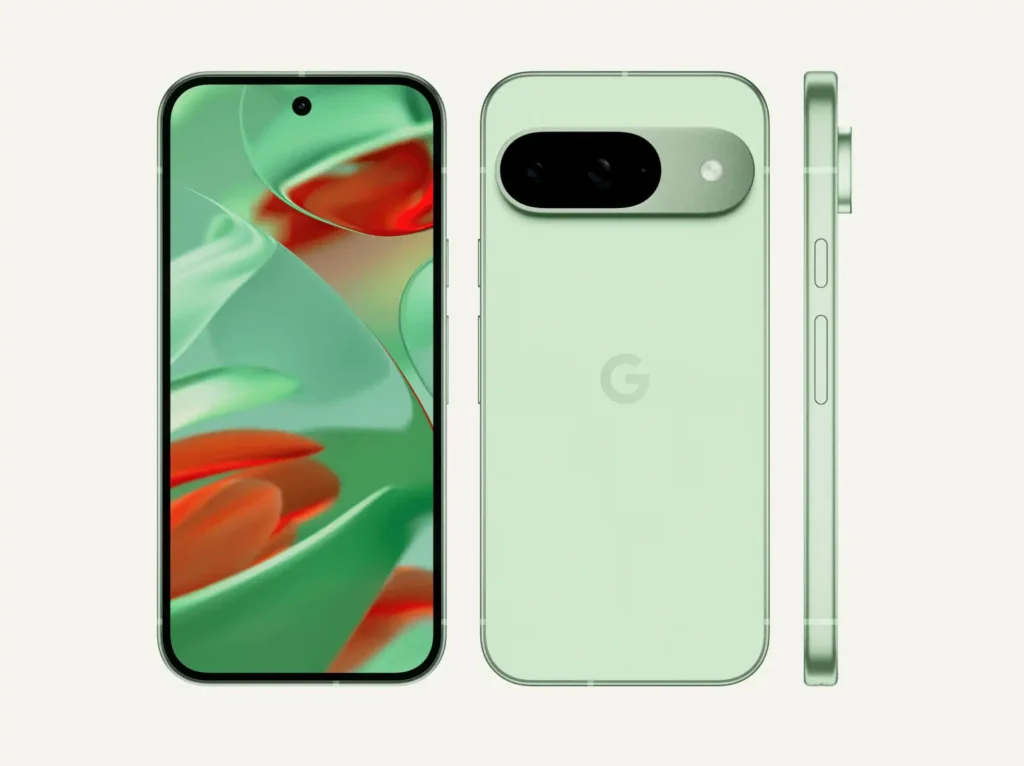
 Google Pixel 9a Freebies: Latest Offer Details
The Pixel 9a arrives with exciting freebies, enhanced camera features, and exclusive perks for early adopters.

 Samsung Galaxy S25: Price, Cameras, AI & Full Specs
Samsung’s flagship showcases advanced AI features, a refined camera system, and competitive pricing.
 Apple & Alibaba Partner to Boost AI in iPhones China
 Apple teams up with Alibaba to enhance AI features in iPhones across China, paving the way for smarter mobile services.
Advancing Large Language Models (LLMs)
Apple’s second major focus, as outlined in the memo, is the development of in-house Large Language Models (LLMs). These models are the backbone of modern AI systems, powering everything from conversational AI to advanced predictive analytics. Apple’s competitors, including OpenAI, Google, and Meta, have invested heavily in LLMs, resulting in tools that are not only smarter but also more versatile.
By enhancing its LLMs, Apple aims to reduce reliance on third-party AI technologies. For instance, while the recent addition of a ChatGPT extension to Siri in iOS 18.2 is a step forward, it also highlights Apple’s dependence on external solutions. Developing proprietary LLMs could enable Apple to offer a fully integrated AI experience that aligns seamlessly with its ecosystem.
Moreover, advanced LLMs could open the door to new features and applications. For example:
Smarter Predictions: Imagine Apple’s Notes app suggesting entire paragraphs based on a few keywords or Mail drafting responses tailored to the recipient’s tone and style.
Enhanced Personalization: LLMs could enable apps like Fitness and Health to provide data-driven insights, such as personalized workout recommendations or health trend analysis.
Automation at Scale: Apple’s automation tools, like Shortcuts, could leverage LLMs to offer dynamic workflows that adapt to user behavior in real time.

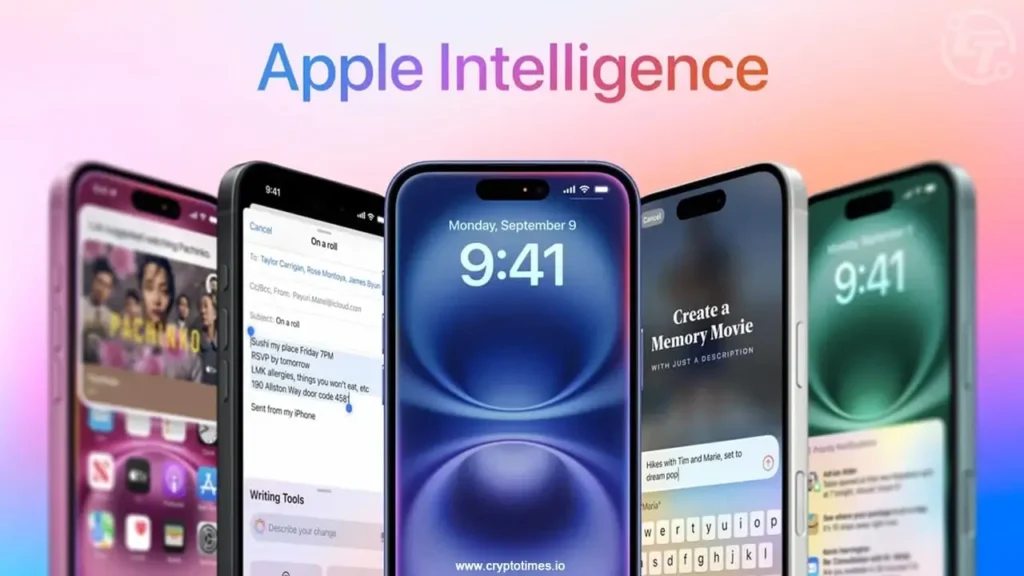
Apple Intelligence
- Challenges and Opportunities
While Apple’s AI ambitions are promising, the path ahead is not without obstacles. Developing state-of-the-art LLMs requires significant investment in computational resources, data acquisition, and talent. Apple’s strict stance on user privacy also presents unique challenges, as training AI models often involves vast amounts of user data. Striking a balance between privacy and functionality will be crucial for Apple’s success.
On the flip side, Apple’s extensive ecosystem gives it a unique advantage. With millions of users already deeply integrated into its hardware and software offerings, Apple has the potential to deliver AI solutions that are not only innovative but also highly user-centric. For example, features like seamless device handoff, cross-platform synchronization, and universal accessibility could be enhanced significantly by advanced AI capabilities.
Why It Matters?
The AI revolution is reshaping the tech landscape, and companies that fail to adapt risk obsolescence. For Apple, the stakes are particularly high. Its ability to innovate in AI will directly impact user satisfaction, brand loyalty, and its competitive standing against rivals like Google, Amazon, and Samsung.
If Apple succeeds in its AI endeavors, the implications could be far-reaching. A revitalized Siri and advanced LLMs could redefine how users interact with technology, setting new standards for digital assistants and integrated ecosystems. These advancements could also open up new revenue streams, from AI-powered subscription services to enterprise solutions.
The leaked memo provides a rare glimpse into Apple’s AI strategy for 2025. By prioritizing the transformation of Siri and the development of cutting-edge LLMs, Apple is positioning itself to reclaim its status as a leader in innovation. While challenges remain, the combination of visionary leadership, a robust ecosystem, and a clear roadmap offers hope that Apple can close the AI gap and set new benchmarks for the industry.
For users and industry watchers alike, these developments are worth following closely. If Apple’s efforts pay off, 2025 could mark the beginning of a new era for AI within the Apple ecosystem.
About the Author