Top Technology Trends 2025: AI, Computing, XR, and Sustainable Energy Dominating the Year
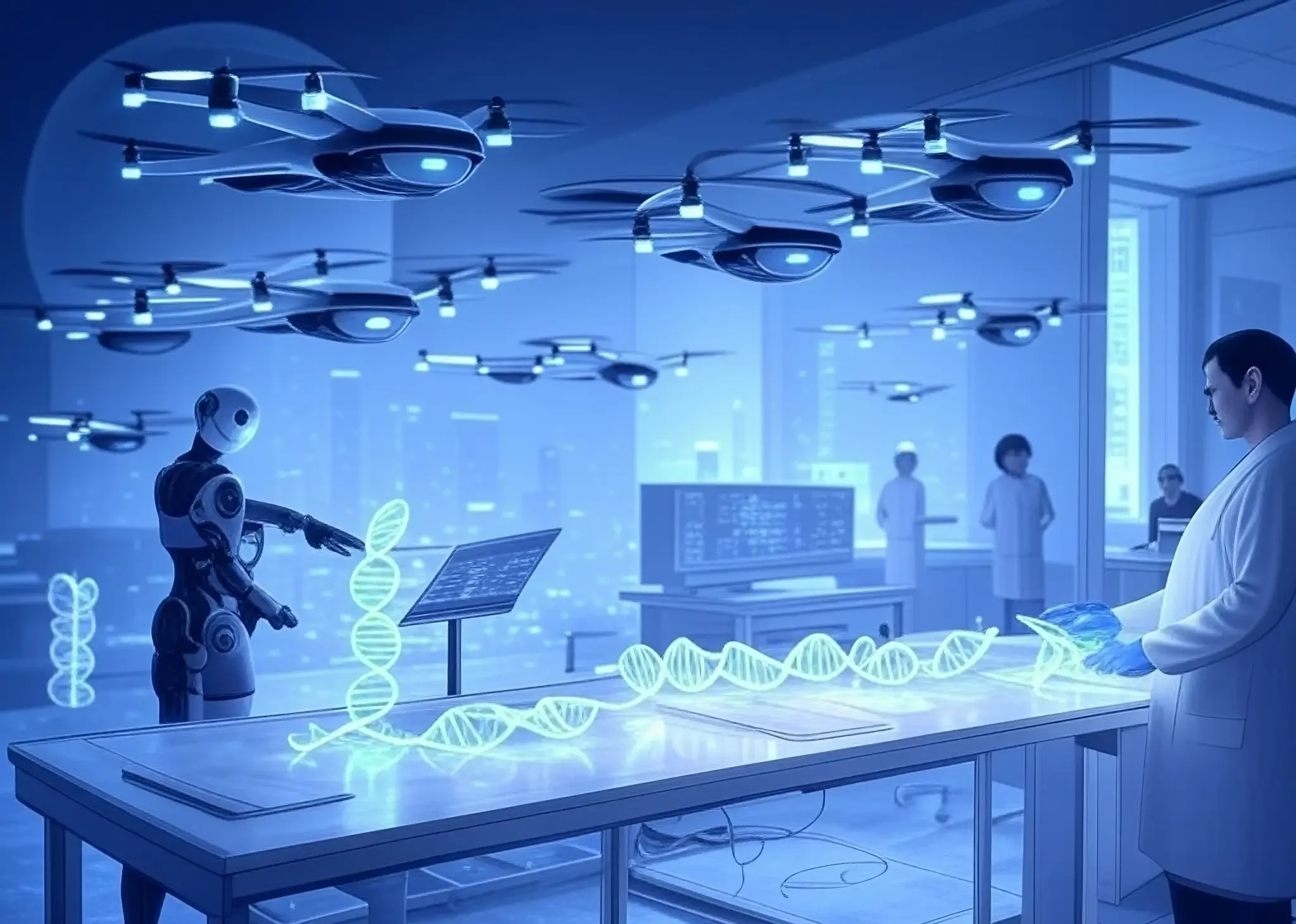
Top Technology and Science Trends Exploding in 2025
The world is evolving at breakneck speed, and nowhere is this more apparent than in technology and science. As we dive deeper into 2025, groundbreaking innovations are reshaping our lives, industries, and understanding of the universe. From artificial intelligence (AI) breakthroughs to genetic engineering marvels and sustainable energy solutions, the pace of change is electrifying. Curious about what’s next? Here are the top technology and science trends dominating 2025 and beyond.
The Unstoppable Rise of Artificial Intelligence
Artificial intelligence is no longer a futuristic fantasy—it’s a transformative reality. In 2025, AI’s evolution is accelerating, revolutionizing work, communication, and digital experiences.
Generative AI
Generative AI is stealing the spotlight in 2025, creating human-like content—from text and images to audio and simulations. Picture AI designing personalized marketing campaigns, prototyping innovative products, or simulating real-world training scenarios. Its accessibility is surging, thanks to platforms like OpenAI’s ChatGPT, Google’s Gemini, and Meta’s Llama, which empower businesses and individuals alike. This shift is replacing clunky interfaces with seamless, conversational AI experiences. Industry experts, including Gartner, hail generative AI as a game-changer, evolving from basic tools to advanced reasoning agents tackling complex challenges. For deeper insights, explore Gartner’s 2025 Tech Trends report.
Agentic AI: Autonomous Assistants Take Charge
Say hello to AI that acts on its own. Agentic AI, a top trend for 2025, powers autonomous “agents” that handle enterprise tasks with minimal oversight. Beyond simple chatbots, these systems execute workflows, make decisions, and adapt over time. From self-driving cars to robotic process automation (RPA) in businesses and virtual assistants managing daily schedules, agentic AI is redefining productivity. Learn more about its applications in Forbes’ 2025 AI Predictions.
AI in Cybersecurity
The digital world is a battlefield, and AI is at its core. In 2025, AI-driven cybersecurity tops trend lists, bolstering defenses while arming cybercriminals. Agentic AI enhances threat detection and response, analyzing vast datasets in real-time. Yet, hackers are fighting back, using generative AI for convincing phishing schemes and ransomware targeting data integrity. Defenders counter with AI tools that predict vulnerabilities and automate incident responses. This arms race demands relentless innovation. Stay updated via Cybersecurity Ventures’ 2025 Report.
AI’s Energy Hunger
AI’s computational appetite is insatiable, straining energy grids in 2025. This surge is fueling a nuclear energy revival, with tech giants like Microsoft and Google eyeing small modular reactors (SMRs) and advanced waste management. Renewables alone can’t keep up, and data centers are racing to secure clean energy sites. Projections show AI energy demand hitting all-time highs this year, reshaping infrastructure priorities. Dive into this trend at MIT Technology Review’s AI Energy Insights.
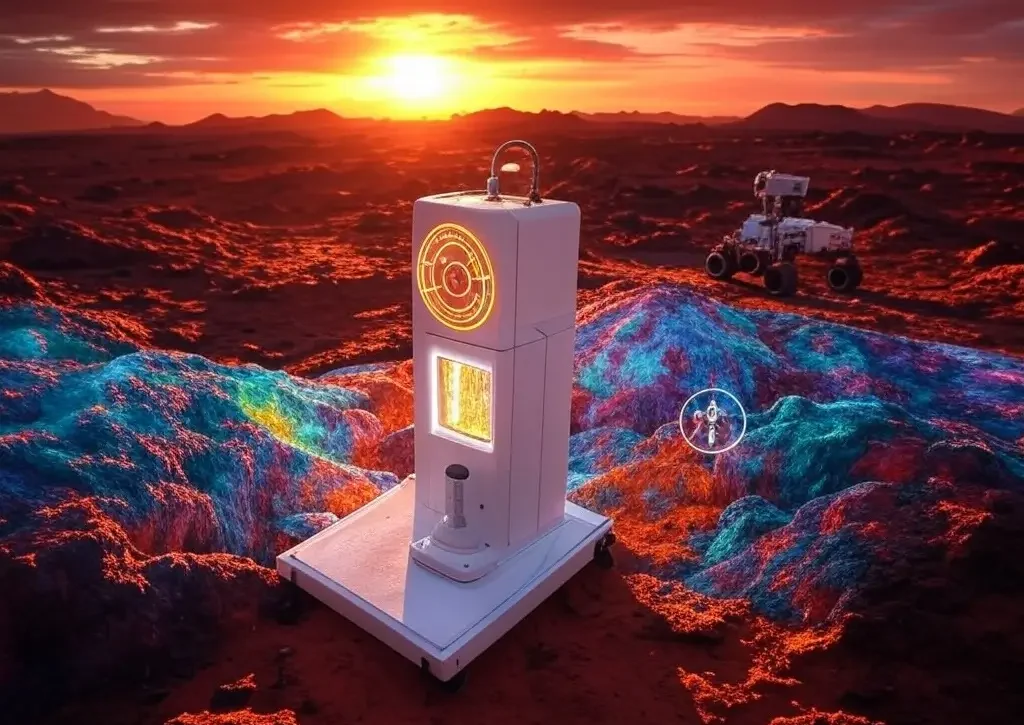
New Computing Paradigms Revolutionizing 2025
The era of traditional computing is fading as its limitations—speed, energy inefficiency, and scalability—become harder to ignore. In 2025, visionary new paradigms are stepping up, poised to tackle the world’s most complex challenges and redefine technology’s future.
- Neuromorphic Computing
Imagine computers that think like humans. Neuromorphic computing, inspired by the brain’s neural structure, is doing just that. Unlike traditional architectures that process data sequentially, neuromorphic systems use parallel-processing chips designed to mimic neurons and synapses. This delivers unmatched energy efficiency and lightning-fast performance, ideal for AI-driven tasks like pattern recognition, sensory data analysis, and real-time decision-making. In 2025, its applications are surging—think autonomous vehicles navigating unpredictable roads, medical diagnostics spotting anomalies in seconds, and edge devices thriving in low-power environments. Intel’s Loihi 2 chip and IBM’s TrueNorth are leading the charge, with pilot projects showing up to 1,000x energy savings over conventional systems. Discover the science behind it at IEEE Spectrum’s Neuromorphic Computing Guide.
- Quantum Computing
Quantum computing is no sci-fi fantasy—it’s a 2025 reality with transformative potential. By leveraging quantum mechanics principles like superposition and entanglement, it solves problems traditional computers can’t touch. Cryptography faces a shake-up as quantum systems threaten to crack current encryption, sparking a global push for quantum-resistant algorithms—NIST’s post-quantum standards are rolling out this year. In drug discovery, companies like Pfizer are using quantum simulations to model molecular interactions, slashing development timelines from years to months. Meanwhile, the fusion of quantum computing and AI is tackling biological computations, from protein folding to genetic modeling, at speeds previously unimaginable. Google’s Sycamore and IBM’s Quantum Eagle are hitting new milestones in 2025. Stay ahead with Quantum Computing Report’s Latest Updates.
- Edge Computing
The Internet of Things (IoT) is exploding—over 50 billion devices are online in 2025—and edge computing is keeping it all running smoothly. By processing data at the source rather than in distant cloud servers, edge computing slashes latency, boosts efficiency, and enhances security. Picture self-driving cars reacting instantly to road conditions, smart factories optimizing production in real time, or smart cities managing traffic with zero delays. The rollout of 5G networks and AI-powered edge devices is supercharging this trend, with companies like NVIDIA and Qualcomm unveiling next-gen edge chips this year. It’s not just speed—edge computing reduces bandwidth costs and supports sustainability by cutting data center reliance. See its impact in TechRadar’s Edge Computing Insights.
- Extended Reality (XR)
Extended Reality (XR)—encompassing Virtual Reality (VR), Augmented Reality (AR), and Mixed Reality (MR)—is blurring the lines between physical and digital like never before. In 2025, XR is reshaping industries and daily life. Students can step into ancient Rome via VR history lessons, while surgeons use AR overlays for precision during complex procedures. Retailers like IKEA are rolling out MR shopping experiences, letting customers “place” furniture in their homes before buying. Entertainment is evolving too, with VR gaming hitting new immersion peaks thanks to lighter, more affordable headsets from Meta and Sony. Spatial computing advancements—think Apple’s Vision Pro—are making XR seamless, driving adoption in enterprise training and remote collaboration. Analysts predict XR’s market will hit $250 billion by year-end. Track this trend at Forbes’ 2025 XR Forecast.
- Powering the Future
The pressing need to combat climate change is fueling innovation and widespread adoption of sustainable energy solutions. From nuclear advancements to renewable energy breakthroughs, the global energy landscape is evolving rapidly.
Nuclear Power’s Renewed Prominence
The surging energy demands of AI are sparking a nuclear power resurgence, positioning it as a clean, reliable energy source. Experts now see nuclear energy as a cornerstone of the energy transition, driving investments in reactor innovation. Small modular reactors (SMRs), in particular, are gaining traction for their efficiency and scalability, promising a sustainable future.
The Continued Surge of Green Energy Technologies
Renewable energy growth remains unstoppable, with solar energy set to lead the renewable sector in 2025. Offshore wind power is also on the cusp of explosive expansion. To manage these intermittent sources, battery energy storage systems (BESS) are overtaking traditional pumped hydro storage in capacity, ensuring grid stability. Meanwhile, the rise of electric vehicles (EVs) and transportation electrification is amplifying the need for clean electricity, further accelerating green technology adoption.
Revolutionizing Healthcare
Cutting-edge scientific discoveries are reshaping healthcare, delivering transformative solutions for human health.
Genetic Engineering: Rewriting the Code of Life
CRISPR therapeutics are at the forefront of a genetic engineering revolution, enabling precise DNA edits to treat diseases like cancer, genetic disorders, and viral infections. The FDA’s approval of the first CRISPR-based therapy is a game-changer, with a robust pipeline of treatments in development. Gene therapy is also advancing, tackling complex conditions through improved delivery methods. Meanwhile, synthetic biology merges engineering and biology, turning cells into “factories” for producing pharmaceuticals, biofuels, and lab-grown meat—pioneering sustainable healthcare solutions.
The Era of Personalized Medicine: Tailoring Treatments to Individuals
Personalized medicine is redefining healthcare by customizing treatments to an individual’s genetic and molecular profile. Advances in genome sequencing and AI are slashing costs and speeding up insights into disease risks and therapy responses. AI-driven genomic analysis is pinpointing disease-related genetic variations, paving the way for targeted, effective treatments tailored to each patient.
- AI-Driven Drug Discovery Artificial intelligence is revolutionizing the entire drug discovery and development process. AI’s ability to analyze vast datasets and predict the effectiveness and safety of potential drug compounds is significantly speeding up timelines and reducing costs. Generative AI is also playing a crucial role in designing and developing new medicines.
- Innovations in Energy Storage Advancements in energy storage technology are crucial for the widespread adoption of EVs and the integration of renewable energy sources. Solid-state batteries are emerging as a promising next-generation technology offering improved safety, durability, and energy density compared to current lithium-ion batteries.
- How Technology Fuels Science and Vice Versa
The trends highlighted in this article underscore the increasingly intertwined nature of technology and science. AI serves as a critical technological driver for numerous scientific advancements, from analyzing genomic data to accelerating drug discovery. Conversely, scientific breakthroughs in areas like battery technology directly enable advancements in technology, such as the widespread adoption of electric vehicles.
This synergistic relationship is accelerating the pace of progress across various fields.
AI & Science Trends 2025
Key Trends to Watch
Buckle up—2025 is poised to redefine technology and science as we know it! Artificial intelligence is surging forward, with MIT forecasting a 30% boost in industry decision-making thanks to AI, alongside cutting-edge quantum computing breakthroughs. XR (extended reality) is set to revolutionize how we learn and play, immersing us in virtual worlds like never before. On the sustainability front, next-gen solar panels and green tech could slash emissions by 15%, according to IEEE estimates. Meanwhile, healthcare is leaping ahead with AI-powered diagnostics and tailored treatments, reimagining what’s possible for patient care. These advancements herald a world ripe with potential—check out Apple & Alibaba Partner to Boost AI in iPhones China 🚀 and OpenAI’s Creative Writing Model: Will AI Become the Next Storyteller?. Keeping pace with these trends isn’t just wise—it’s critical for individuals, companies, and leaders alike. Dive into these 2025 innovations, backed by pioneers like xAI, to harness the tools needed to shape a brilliant future. The time is now—are you ready? Explore More

Ibrahim Philip 

Ibrahim Philip is a highly skilled Content Writer with a passion for simplifying complex science and technology topics. Holding a Master's degree from the University of Manchester, he crafts compelling, well-researched content at Trendsnip, making knowledge engaging and accessible to all.







About the Author