Trump Promises Executive Order to Halt TikTok Ban: What It Means for U.S Users?
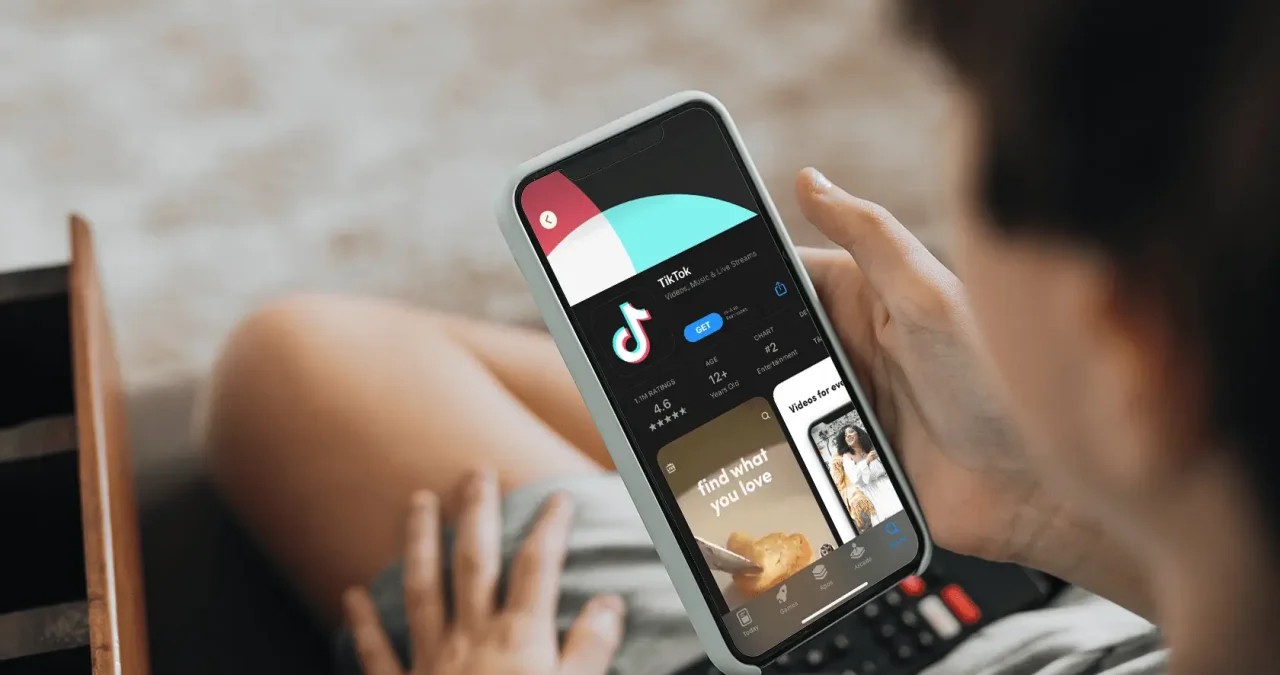
TikTok went offline late Saturday after a federal law mandating a sale or ban took effect
- Trump Moves to Stave Off TikTok Ban with Executive Order
TikTok, the popular social media platform that has become a cultural phenomenon in the U.S. with over 170 million users, faced a significant threat of being banned this past weekend. However, in a surprising turn of events, President-elect Donald J. Trump announced that he would issue an executive order aimed at stalling the TikTok ban, just hours after major app stores removed the app and it ceased functioning for U.S. users.
- Why Was TikTok Banned?
The ban comes as a result of a 2024 federal law designed to address national security concerns. This law requires app stores and cloud computing providers to cease distributing or hosting TikTok unless it is sold by its Chinese parent company, ByteDance. Lawmakers have expressed fears that the Chinese government could use TikTok to collect personal data from American users or to spread propaganda. This has led to an ongoing legal battle over the app’s future, with significant implications for both U.S. users and businesses that rely on the platform.
So, why did TikTok get banned? The primary concern centers around TikTok’s ownership by ByteDance, a company based in China. As tensions rise over cybersecurity and the potential for espionage, U.S. officials have increasingly scrutinized the app, which claims an enormous user base across the United States.
- Will TikTok Come Back?
In response to the growing backlash, President Trump has signaled his intention to block the TikTok ban temporarily. On Sunday, he posted a message on Truth Social, stating, “I’m asking companies not to let TikTok stay dark. I will issue an executive order on Monday to extend the period of time before the law’s prohibitions take effect, so that we can make a deal to protect our national security.” The President’s executive order would push back the enforcement of the law, allowing more time for negotiations.
Trump’s intervention has sparked intense debate. Some view it as a necessary step to protect U.S. interests, while others argue that it undermines the rule of law and creates confusion over the future of TikTok in America. As of now, is TikTok coming back? The answer lies in whether an agreement can be reached between the U.S. government, ByteDance, and potential buyers.
- When Does Trump Take Office? What This Means for TikTok
When does Trump take office? His presidential term will officially begin on January 20, 2025. The timing of this executive order could have profound effects on the direction of TikTok’s future. The law in question, passed with broad bipartisan support, calls for a complete shutdown of TikTok unless it is sold by ByteDance. Under this law, app stores and cloud providers that continue to distribute TikTok face severe financial penalties. But will the TikTok ban be enforced immediately, or will Trump’s executive order stall the process?
- Can TikTok Avoid the Ban?
While President Trump’s executive order could offer a temporary reprieve, it’s important to understand the potential legal hurdles that may follow. The law clearly states that only a sale of TikTok to a non-Chinese company will allow the app to continue operations in the U.S. Critics of TikTok have emphasized the need for app stores to comply with the law, warning of dire consequences for companies that don’t follow through. On Sunday, Trump’s TikTok efforts raised questions about the power of the presidency to stop enforcement of a federal law, with concerns that it might face legal challenges from various parties.
The law does provide for a 90-day extension if significant progress is made in securing a deal for TikTok to be sold to a non-Chinese entity. However, it remains unclear whether the extension option will remain valid, especially considering the law is already in effect. TikTok has also expressed skepticism, stating that a sale would be nearly impossible due to the global nature of its operations and the reluctance of the Chinese government to allow its video recommendation technology to be exported.
- What’s Next for U.S. Users and Businesses?
For now, TikTok has reassured its U.S. users with a message indicating that the platform is temporarily unavailable, but efforts are underway to resolve the issue. As discussions continue about the TikTok ban, many wonder whether the app will ultimately survive in the U.S., or if it will face a permanent shutdown.
TikTok has become an integral part of digital culture, providing a platform for influencers, small businesses, and content creators to thrive. With millions of people relying on the app for entertainment, marketing, and communication, the stakes are high for both the app’s users and the businesses that have built their presence on the platform. Will TikTok come back after the ban is lifted? The answer largely depends on ongoing legal negotiations and whether a sale agreement can be reached between ByteDance and potential buyers.
- Will TikTok Survive the Ban?
As the battle over the TikTok ban continues, the big question remains: will the platform survive in the U.S.? Despite the uncertainty, President Trump’s proposed executive order represents a significant twist in the ongoing drama. While TikTok has made efforts to stay operational, why was TikTok banned in the first place, and what does it mean for the future of social media in the U.S.?
The fate of TikTok in the U.S. hangs in the balance, as both legal and political forces continue to shape the app’s destiny. For now, all eyes are on the executive order and the possibility of a deal that would allow TikTok to return to American app stores. As we await further developments, one thing is clear: the debate over TikTok’s future is far from over.
Summary
President-elect Donald J. Trump has announced plans to issue an executive order to delay the federal TikTok ban, which stemmed from a 2024 law aimed at preventing Chinese-owned TikTok from operating in the U.S. due to national security concerns. The law requires app stores and cloud providers to stop distributing TikTok unless it is sold by ByteDance, its Chinese parent company. Trump’s order seeks to extend the timeline for compliance, potentially allowing more time to negotiate a deal to protect national security. The fate of TikTok in the U.S. remains uncertain, as the law could lead to significant penalties for non-compliant companies. While TikTok has voiced its concerns about a sale, the platform’s future depends on a legal resolution and whether a deal can be struck to move TikTok’s operations out of China.
About the Author