U.S Removes $10M Bounty on Syrian Rebel Leader
America’s Double Standards: Evolving Approaches to HTS
America’s Double Standards: Shifting Policies Toward HTS
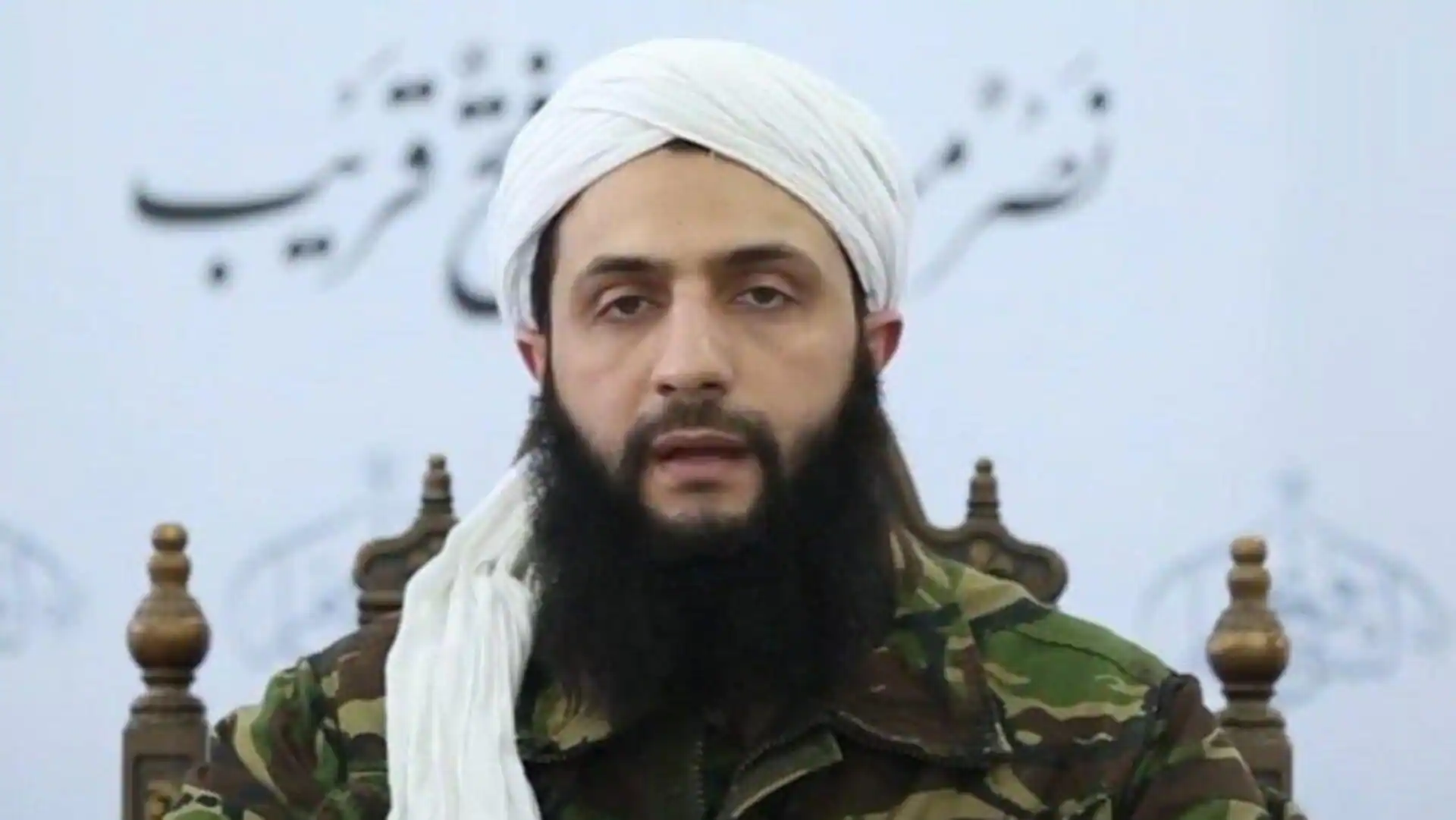
The United States is preparing to lift the $10 million bounty placed on Ahmed Al-Sharaa, the de facto leader of Syria and head of the rebel group Hayat Tahrir Al-Sham (HTS). This decision comes after HTS, under Al-Sharaa’s leadership, played a pivotal role in overthrowing Bashar al-Assad’s government. However, this marks a stark contrast to the past when the U.S. had designated HTS as a terrorist organization and placed a massive bounty on Al-Sharaa’s head, accusing him of ties to extremist groups.
From Terrorist to Ally? The Changing Narrative
When HTS was actively fighting both ISIS and the Assad regime, the United States labeled it a terrorist organization, accusing it of extremism and placing a $10 million bounty on Al-Sharaa. Yet, after HTS’s military operations led to the removal of Assad’s government—a move aligned with U.S. and Israeli interests—the U.S. has shifted its stance. This sudden policy change raises questions about America’s motivations and whether HTS was always fighting for Syria’s independence or merely serving as a tool for U.S. strategic goals.
Diplomatic Breakthrough in Damascus
The decision to lift the bounty follows high-level meetings between U.S. diplomats and HTS representatives in Damascus on Friday. This visit marked the first such diplomatic engagement since the fall of the Assad regime. During the discussions, Al-Sharaa assured U.S. officials that HTS would take measures to prevent terrorist groups in Syria from posing a threat to the United States and its allies. Assistant Secretary of State for Near Eastern Affairs Barbara Leaf described the meetings as “productive” and “detailed,” covering a broad spectrum of domestic and international issues.
Leaf highlighted Al-Sharaa’s pragmatic approach, stating, “We’ve been hearing pragmatic and moderate statements on various issues, including women’s rights and the protection of equal rights for all communities. It was a good first meeting, but actions will speak louder than words.”
Focus on Missing Americans
The U.S. delegation also prioritized discussions about Americans detained or missing in Syria, including journalist Austin Tice and therapist Majd Kamalmaz. Special Presidential Envoy for Hostage Affairs Roger Carstens, who was part of the delegation, emphasized the importance of determining the fate of Tice, who was abducted in Syria 12 years ago.
“The president has expressed his belief that Austin is alive, and it is our duty to pursue all available information to ascertain his whereabouts and bring him home,” Carstens stated. He revealed that efforts would focus on investigating six specific prison sites where Tice was believed to have been held, leveraging FBI expertise to gather evidence.
Engagement with Civil Society
Beyond HTS, U.S. diplomats met with a diverse range of Syrian stakeholders, including civil society groups, activists, and representatives from various communities. These discussions aimed to understand their vision for Syria’s future and explore ways the United States could support the country’s recovery and transition.
Leaf commended the White Helmets, a volunteer organization renowned for its life-saving efforts during the Syrian conflict. “We reaffirmed our support for their heroic work and held a commemorative event to honor the tens of thousands who suffered under the previous regime,” she said. The event paid tribute to those who were detained, tortured, forcibly disappeared, or killed during Assad’s rule.
Plans for Ongoing Diplomatic Engagement
Daniel Rubinstein, a senior adviser for the State Department’s Middle East bureau, expressed optimism about future diplomatic missions to Damascus. “We need to evaluate operational conditions carefully, but we aim to conduct regular visits to advance our objectives prudently,” Rubinstein stated.
The U.S. visit follows similar diplomatic missions by France, the United Kingdom, and Germany, as Al-Sharaa advocates for the lifting of international sanctions against HTS. While the U.S. currently designates HTS as a terrorist organization, this designation does not preclude dialogue but complicates the provision of humanitarian aid.
Conditions for Recognition of the Syrian Government
The Biden administration is reportedly considering removing HTS from its terrorist list, contingent on the group meeting specific conditions. Deputy State Department Spokesperson Vedant Patel outlined these requirements, emphasizing the need for an inclusive government that protects the rights of all Syrians, including women and minorities.
“A future Syrian government must preserve critical state institutions, deliver essential services, and ensure that Syria does not become a base for terrorism or align with groups like ISIS,” Patel said.
This evolving U.S. policy underscores a cautious yet strategic approach to fostering stability in Syria while addressing the complex challenges of governance, humanitarian needs, and counterterrorism.
About the Author