Waste to Wealth: Breakthrough in Artificial Photosynthesis
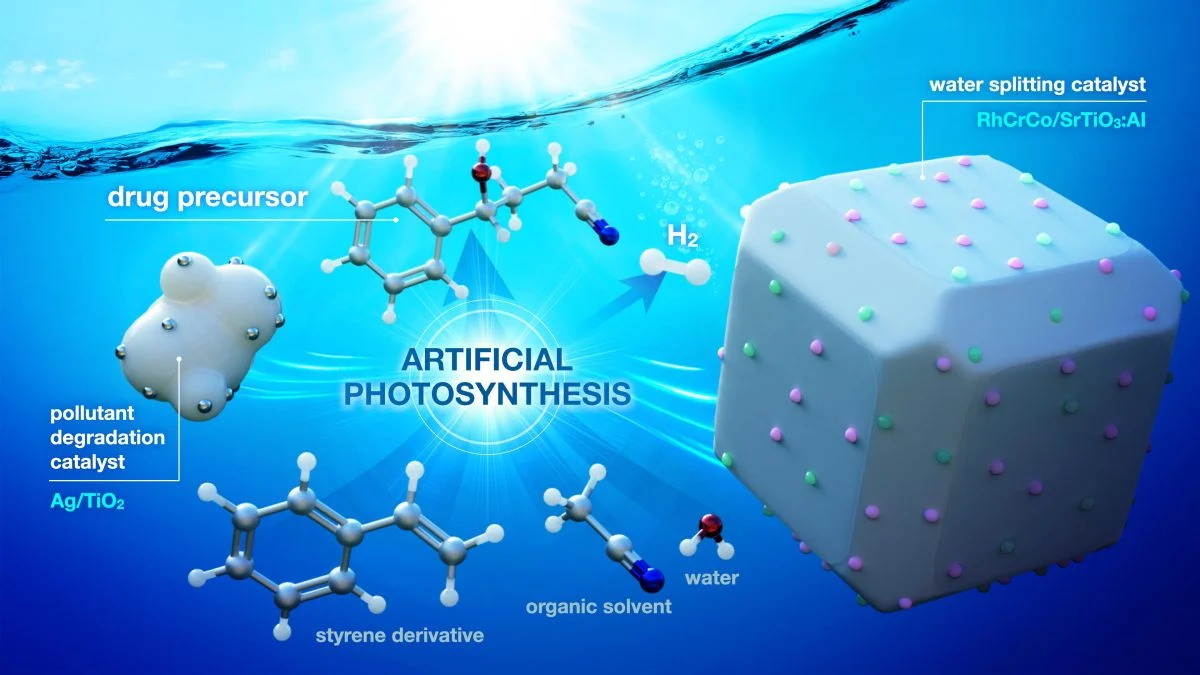
Did you ever imagine that the trash we discard could be turned into valuable fuel and life-saving pharmaceuticals? Recent breakthroughs in artificial photosynthesis are making that possibility a reality. Scientists at Nagoya University have developed a cutting-edge technique—known as APOS (Artificial Photosynthesis Directed Toward Organic Synthesis)—that not only mimics natural plant processes but also overcomes many of the limitations of traditional methods. In this article, we’ll explore how this breakthrough is reshaping sustainable energy and green chemistry, and what it means for our future.
Turning Waste into Wealth
Artificial photosynthesis is more than just a scientific curiosity. It represents a paradigm shift in how we think about energy production and chemical synthesis. Traditional photosynthesis in plants converts sunlight, water, and carbon dioxide into glucose and oxygen. However, when it comes to industrial applications, replicating this process has been challenging due to unwanted byproducts and inefficient conversions.
The research team, led by Assistant Professor Shogo Mori and Professor Susumu Saito at Nagoya University, has now demonstrated a process that uses sunlight and water to convert waste organic compounds into valuable chemicals and energy. Published on February 27, 2025, in Nature Communications (DOI: 10.1038/s41467-025-56374-z), this breakthrough is setting the stage for sustainable production methods that could revolutionize both the energy and chemical industries.
Science Behind the Breakthrough
Understanding Artificial Photosynthesis
At its core, artificial photosynthesis aims to replicate the natural process that plants use to generate energy. However, rather than simply producing sugars, scientists are engineering systems that produce high-value chemicals. Here’s how the process works:
- Light Absorption: Just as plants capture sunlight, the APOS system uses inorganic semiconductor photocatalysts to absorb solar energy.
- Water Splitting: The absorbed light energy splits water molecules into hydrogen and oxygen—a process similar to natural photosynthesis.
- Organic Synthesis: Unlike conventional approaches that may produce unwanted byproducts, APOS channels the energy into converting waste organic compounds into useful chemicals, including pharmaceuticals and fuels.
This process not only minimizes waste but also offers a sustainable method for producing compounds that are traditionally derived from fossil fuels.
Meet APOS: A Game-Changer in Sustainable Chemistry
What sets APOS apart is its innovative approach. Instead of relying solely on inorganic materials or limited carbon sources, APOS leverages waste organic matter as a feedstock. The cooperative effects of two different types of inorganic semiconductor photocatalysts are the secret behind its high efficiency:
- Catalyst 1: Promotes the decomposition of waste organic matter.
- Catalyst 2: Drives the water-splitting reaction to generate “green” hydrogen.
Together, these catalysts enable a clean conversion process that produces valuable organic compounds without generating harmful byproducts like carbon dioxide. This approach not only contributes to waste reduction but also opens the door to a variety of applications in pharmaceuticals and energy.
Transforming Trash into Treasure
The practical applications of this breakthrough are vast and varied. By converting common waste products into useful chemicals, APOS has the potential to revolutionize multiple industries:
Converting Waste into Valuable Chemicals
Researchers have demonstrated the ability of APOS to transform a range of organic materials into more than 25 distinct alcohol and ether products. Some examples include:
- Pharmaceutical Precursors: Production of compounds that serve as analogs for drugs used in treating depression and hay fever.
- Industrial Chemicals: Conversion of byproducts such as acetonitrile—a waste material generated during polymer and carbon nanofiber production—into useful products.
- Modification of Existing Drugs: Adjusting the molecular structure of pharmaceuticals to improve their efficacy or reduce side effects, such as modifying a drug used for treating high lipid levels.
Environmental and Economic Impact
The benefits of this technology are not confined to the laboratory. Here are some key advantages:
- Waste Reduction: By transforming waste into valuable products, APOS helps reduce the environmental burden of industrial byproducts.
- Clean Energy Production: The generation of green hydrogen as a byproduct offers a renewable energy source with minimal environmental impact.
- Sustainable Chemical Manufacturing: APOS provides an eco-friendly alternative to traditional chemical synthesis, reducing reliance on fossil fuels and lowering carbon emissions.
Benefits for Various Industries
The implications of this technology are profound across several sectors:
- Energy Sector: Green hydrogen produced through APOS can serve as a clean fuel for power generation and transportation.
- Pharmaceutical Industry: The ability to synthesize complex organic molecules in an eco-friendly manner could lower production costs and environmental risks.
- Agricultural Chemicals: Sustainable production methods can lead to safer, greener fertilizers and pesticides.
How Does APOS Compare to Traditional Methods?
One of the biggest questions is: How does this new technology differ from existing artificial photosynthesis methods? Let’s break it down:
Traditional Methods:
- Often generate unwanted byproducts.
- Rely heavily on non-renewable resources.
- Have limited application in producing high-value chemicals.
APOS Technology:
- Uses waste as a raw material, reducing environmental impact.
- Efficiently produces a range of valuable chemicals and fuels.
- Integrates seamlessly with renewable energy sources, particularly sunlight and water.
By addressing the shortcomings of earlier methods, APOS offers a sustainable solution that is both economically viable and environmentally friendly.
Key Advantages of APOS
To summarize, here are the standout benefits of the APOS technique:
- Eco-Friendly Process: Eliminates harmful byproducts and minimizes waste.
- Versatility: Capable of synthesizing over 25 different organic compounds.
- Energy Efficiency: Leverages renewable resources such as sunlight and water.
- Economic Potential: Converts industrial waste into high-value products, potentially lowering production costs.
- Innovative Catalysis: Utilizes a dual-catalyst system to enhance reaction efficiency.
Are you curious about how these advantages might influence future industries? The potential for transformation is immense!
Future of Green Chemistry and Renewable Energy
Expanding the Boundaries of Artificial Photosynthesis
The development of APOS is only the beginning. Researchers and industry leaders are already envisioning new applications and improvements:
- Enhanced Catalytic Systems: Ongoing research is focused on discovering even more efficient catalysts that could further boost the conversion rates and range of products.
- Scaling Up: Efforts are underway to adapt APOS for industrial-scale production, which could revolutionize the manufacturing processes of chemicals and fuels.
- Integrated Systems: Future designs may combine APOS with other renewable energy technologies to create fully integrated, self-sustaining production systems.
Implications for a Sustainable Future
The broader impact of this research is profound. By integrating renewable energy sources with waste-to-resource conversion, APOS embodies a holistic approach to sustainability. Consider these future possibilities:
- Reducing Greenhouse Gas Emissions: By curbing the release of carbon dioxide and other harmful gases, APOS can play a critical role in combating climate change.
- Boosting the Circular Economy: Turning waste into valuable products reinforces the principles of a circular economy, where resources are continuously repurposed.
- Creating New Industries: The success of APOS could spur the development of entirely new industries focused on sustainable chemical production and clean energy.
FAQs
Let’s address some common questions and stimulate further discussion:
Frequently Asked Questions
Q: How does APOS differ from natural photosynthesis?
A: While natural photosynthesis produces energy in the form of sugars, APOS converts waste into valuable chemicals and fuels by using specialized catalysts. This makes it more versatile for industrial applications.
Q: What are the environmental benefits of using APOS?
A: APOS reduces waste by repurposing organic byproducts, lowers carbon emissions by eliminating unwanted byproducts, and produces green hydrogen—a clean, renewable energy source.
Q: Can this technology be applied on a large scale?
A: Researchers are optimistic. Ongoing efforts aim to scale up APOS for industrial applications, potentially revolutionizing chemical and energy production.
Q: What industries stand to benefit the most from APOS?
A: The energy, pharmaceutical, and agricultural sectors are among the primary beneficiaries, as they can utilize the technology for cleaner production methods and sustainable growth.
Your Thoughts Matter
Have you ever wondered how transforming waste could impact your local community or industry? What potential applications do you see for a technology like APOS in your daily life? We invite you to join the conversation—share your thoughts and questions in the comments below.
A Bright Future for Clean Technology
Artificial photosynthesis using APOS is poised to make a significant impact on our world. Its ability to transform waste into fuel and pharmaceuticals not only offers a sustainable solution to environmental challenges but also opens new avenues for economic growth and innovation.
As industries seek greener alternatives to traditional production methods, the APOS breakthrough provides a blueprint for a future where renewable resources and efficient waste conversion go hand in hand. Whether you’re an industry expert, an environmental enthusiast, or simply curious about the future of technology, the story of APOS is one of hope, innovation, and transformation.
Are you ready to be part of the sustainability revolution? Here are a few ways to engage further:
- Share Your Opinion: Leave a comment below with your thoughts on how artificial photosynthesis could change the world.
- Spread the Word: If you found this article insightful, share it with your network on social media.

Dr. Mariya Ivanova
A skilled Scientific Content Writer at Trendsnip with 3+ years of research-based writing experience, simplifying complex discoveries for wider audiences. A graduate of a leading Russian university, Dr. Ivanova is passionate about accessible science.
About the Author





Follow Us on Social Media