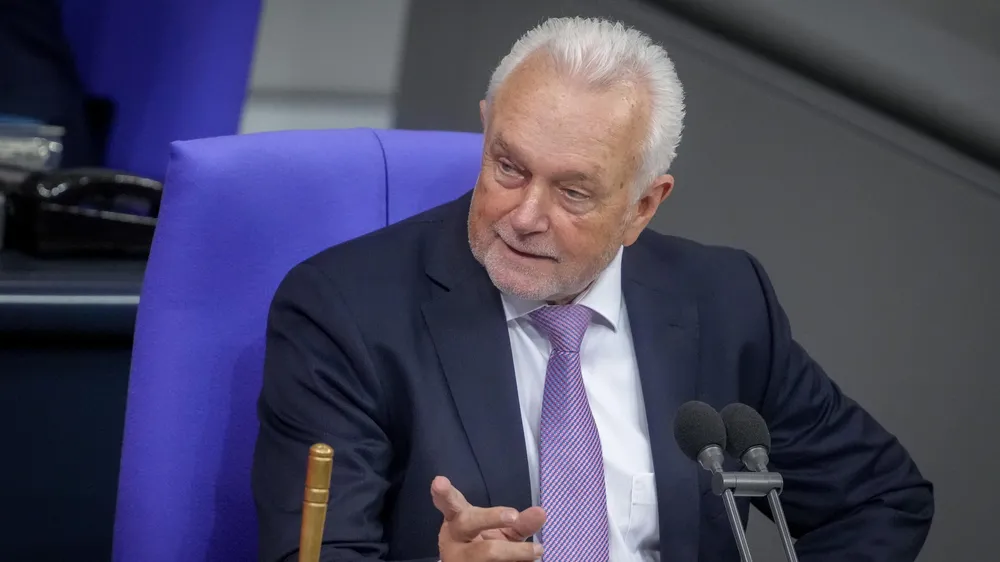
Wolfgang Kubicki Open to Deutschlandkoalition After Election
FDP Deputy Wolfgang Kubicki expresses openness to a coalition with CDU/CSU and SPD after 2024 elections. Explore his insights on political strategy and Germany’s future.
Could the Deutschlandkoalition Define Germany’s Future?
As Germany gears up for the pivotal Bundestag elections on February 23, 2024, the political landscape is buzzing with speculation and strategic shifts. Among the key figures driving this discourse is Wolfgang Kubicki, Deputy Chairman of the Free Democratic Party (FDP). Known for his candid demeanor and strategic foresight, Kubicki has opened the door to a potential coalition with the CDU/CSU and SPD, commonly referred to as the “Deutschlandkoalition.”
This potential collaboration could redefine Germany’s political dynamics, reflecting the need for pragmatic governance amidst complex challenges.
Kubicki’s Deutschlandkoalition Vision: A Game-Changer?
In a recent interview with Stern, Wolfgang Kubicki discussed the feasibility of a coalition between the CDU/CSU, SPD, and FDP. “I could imagine a Deutschlandkoalition after the elections,” he stated, signaling a willingness to consider unconventional alliances.
Kubicki also predicted that the SPD, led by Olaf Scholz, might struggle to cross the 20% threshold in the upcoming elections. He suggested this could lead to a leadership shake-up within the SPD, paving the way for more pragmatic and growth-oriented figures. According to Kubicki, this shift would foster a coalition focused on economic growth, societal progress, and meaningful reforms rather than divisive or fringe issues.
Historical Context: The Godesberger Program and Its Relevance Today
Kubicki cited the SPD’s transformative Godesberger Program of 1959, which marked its departure from Marxist ideology in favor of market-driven principles like competition and private property aligned with societal welfare.
By referencing this historical pivot, Kubicki emphasized the possibility of ideological synergy between the FDP and a reform-driven SPD. This shared focus on economic resilience and growth could bridge traditional divides, enabling effective collaboration under the Deutschlandkoalition.
Firm Opposition to Green Party Collaboration
While Kubicki is open to alliances with the CDU/CSU and SPD, he has categorically ruled out any coalition with the Greens. He explained this decision by citing irreconcilable differences in core philosophies.
“We believe in personal freedom and individual responsibility, whereas the Greens often advocate for protective measures that conflict with these principles,” Kubicki remarked. This ideological divide, he argued, makes long-term collaboration with the Greens unfeasible.
Interestingly, this stance comes in response to Green Party leader Robert Habeck’s suggestion of a renewed coalition with the FDP. Kubicki’s firm rejection underscores the FDP’s commitment to its foundational principles and strategic direction.
FDP’s Challenges and Opportunities
Despite current polling numbers placing the FDP at a modest 3% to 5%, Kubicki remains optimistic about the party’s prospects. Drawing on his extensive campaign experience, he highlighted the fluid nature of voter sentiment, especially in the final weeks before an election.
Kubicki noted that the transition into a new year often acts as a psychological reset for voters, allowing them to reassess priorities and align with forward-looking policies. He expressed confidence that the FDP’s message of economic reform, personal freedom, and pragmatic solutions would resonate with a broader electorate, pushing the party into double-digit territory.
The Deutschlandkoalition’s Potential Impact on Germany
If realized, the Deutschlandkoalition could bring a balanced and pragmatic approach to governance. Combining the FDP’s economic expertise, the CDU/CSU’s administrative strength, and the SPD’s social policy framework, this coalition has the potential to address critical issues such as:
- Economic Recovery: Implementing policies to strengthen Germany’s post-pandemic economy.
- Digital Transformation: Modernizing infrastructure to maintain global competitiveness.
- Climate Change: Balancing economic growth with sustainable environmental strategies.
However, challenges remain. Bridging ideological differences among the three parties and fostering public trust will require skilled negotiation and clear communication.
A Defining Moment for German Politics
Wolfgang Kubicki’s openness to a Deutschlandkoalition underscores his pragmatic approach to governance in a rapidly changing political landscape. His vision reflects a willingness to adapt and collaborate, ensuring stability and progress for Germany during uncertain times.
As February 23 approaches, the potential for new alliances and leadership changes adds intrigue to the political narrative. Regardless of the outcome, the 2024 elections promise to be a watershed moment for Germany, shaping its future for years to come.
Stay updated on Wolfgang Kubicki’s vision for a Deutschlandkoalition. Explore its implications for Germany’s future political landscape
About the Author