Laptop vs. Notebook vs. Ultrabook: Which is Right for You?
Explore the key differences, strengths, weaknesses, and AI features of laptops, notebooks, and ultrabooks to make the best choice for your needs.
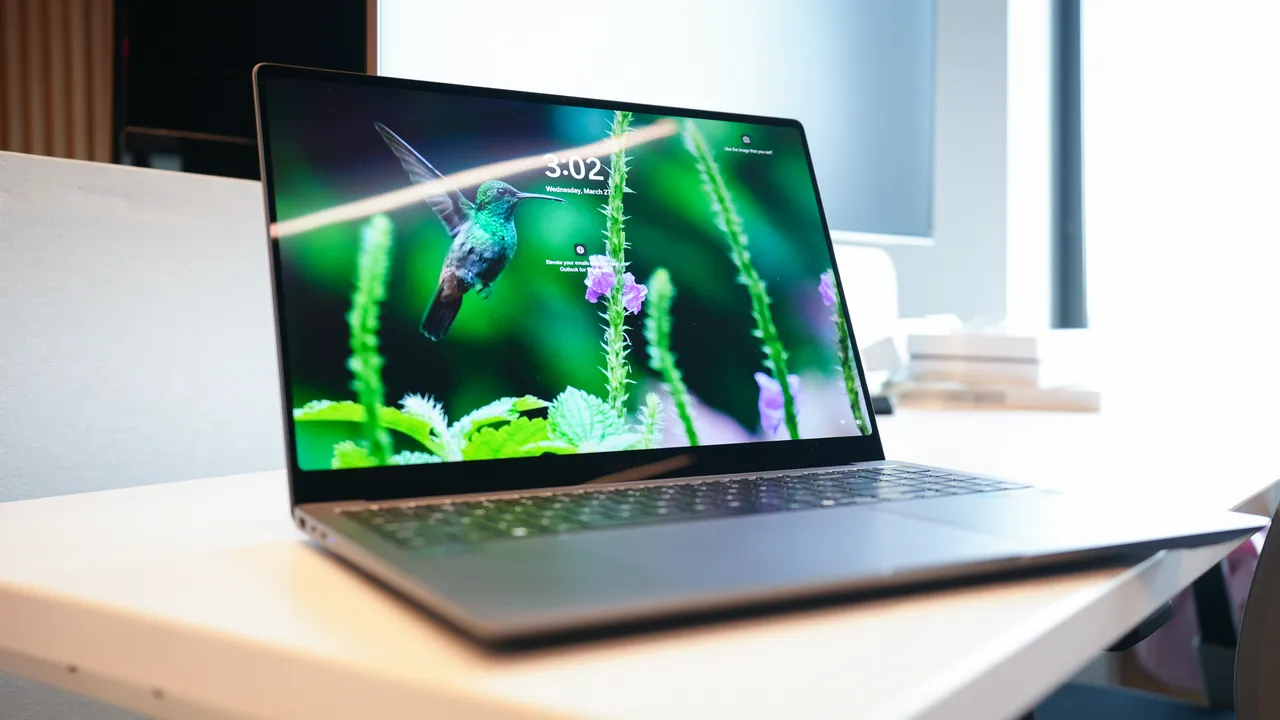
Laptop vs. Notebook vs. Ultrabook: Which is Right for You?
When it comes to choosing the perfect portable computing device, the plethora of options can be overwhelming. Among the most popular categories are laptops, notebooks, and ultrabooks. Each comes with unique strengths and weaknesses tailored to different user needs. This blog delves into their main differences, highlights their strengths and weaknesses, and explores their AI integration capabilities to help you make an informed decision.
Laptops: The All-Rounder Workhorse
Strengths:
Versatility: Laptops are built to handle a wide range of tasks, from gaming and video editing to office work and casual browsing.
Performance: They offer powerful hardware, including high-end CPUs and GPUs, making them suitable for demanding applications.
Wide Range of Options: With a broad price spectrum, there is a laptop for every budget.
Expandability: Many laptops allow for upgrades in RAM, storage, and sometimes even the GPU.
Weaknesses:
Weight and Size: Typically heavier (2-4 kg) and bulkier, making them less ideal for frequent travelers.
Battery Life: Average battery life of 4-6 hours, often requiring frequent charging.
Heat Management: Heavier workloads can lead to overheating despite built-in cooling systems.
AI Integration:
Laptops are increasingly incorporating AI features, particularly in high-end models. Examples include AI-driven cooling systems, adaptive performance tuning, and AI-powered software like voice recognition and content creation tools. However, the level of AI integration varies significantly depending on the brand and model.
Notebooks: Budget-Friendly and Lightweight
Strengths:
Portability: Lightweight and compact (1-2.5 kg), perfect for students and travelers.
Affordable: A great entry-level option, typically priced between $300-$800.
Battery Efficiency: Notebooks offer better battery life (6-8 hours) than most laptops.
Weaknesses:
Limited Performance: Designed for light tasks like web browsing, word processing, and video streaming.
Build Quality: Often less durable compared to laptops or ultrabooks.
Upgradability: Limited or no options for upgrading hardware.
AI Integration:
AI capabilities in notebooks are minimal. While some models may support basic AI features like voice assistants or optimized battery performance, they generally lack advanced AI functionality due to their budget-oriented hardware.
How to Factory Reset in iPhone | Easy Step-by-Step Guide
Ultrabooks: Sleek and Premium
Strengths:
Design: Ultra-slim and lightweight (1-1.5 kg) with a premium build, ideal for professionals and style-conscious users.
Battery Life: Outstanding battery performance (8-12+ hours), designed for all-day use.
Performance Efficiency: Combines high performance with energy-efficient hardware like Intel’s Core i5/i7 U-series processors.
Silent Operation: Effective passive cooling systems ensure quieter operation.
Weaknesses:
Cost: Premium pricing, often exceeding $800, making them less accessible for budget-conscious users.
Limited Expandability: Non-upgradable hardware components like RAM and SSD.
Heat Dissipation: Slim designs can lead to overheating during heavy use.
AI Integration:
Ultrabooks are at the forefront of AI integration. These devices frequently leverage AI for tasks like adaptive display settings, intelligent power management, real-time noise cancellation during video calls, and enhanced security features such as facial recognition. This makes them ideal for users who require cutting-edge technology.
Key Differences
| Aspect | Laptops | Notebooks | Ultrabooks |
|---|---|---|---|
| Size | 13 to 17 inches | 10 to 15 inches | 12 to 15 inches |
| Weight | 1 to 3+ kg | 1 to 2 kg | < 1.5 kg |
| Cost | ₹30,000 to ₹1,50,000+ | ₹40,000 to ₹80,000 | ₹60,000 to ₹1,50,000+ |
| Performance | Varies widely; basic to high-end specs | Balanced; suitable for everyday computing | High efficiency; optimized for business professionals |
| Battery Life | Typically 4 to 8 hours | Typically 6 to 10 hours | Often 8 to 12 hours |
| Build Quality | Varies from plastic to metal builds | Usually plastic or a mix of plastic and metal | Premium materials, often metal |
| Port Options | Extensive; multiple USB ports, HDMI, Ethernet, etc. | Limited compared to laptops; fewer ports | Minimalistic; fewer ports, often just USB-C and HDMI |
| Market | Broad (students, professionals, gamers) | Students, travelers who need portability | Business professionals, tech enthusiasts |
| Cooling | Advanced cooling systems for high performance | Basic cooling; not designed for intensive tasks | Efficient cooling; optimized for slim designs |
| Storage | HDDs and SSDs; larger storage options available | Usually SSDs; moderate storage capacities | Always SSDs; limited but fast storage options |
| Display Quality | HD to 4K displays | HD to Full HD displays | Full HD to 4K displays |
| Keyboard | Full-sized, often with numeric keypad | Compact, sometimes lacks numeric keypad | Backlit, compact, often without numeric keypad |
| Touchpad | Standard size, basic features | Standard size, basic features | Larger, precision touchpad with multi-gesture support |
| Graphics | Integrated or dedicated GPU options | Mostly integrated GPU | Integrated or dedicated GPU options |
| Operating System | Windows, macOS, Linux | Windows, macOS | Windows, macOS |
| Sound Quality | Varies; can be basic to high-fidelity | Basic to moderate | High-quality, often with premium speakers |
| Upgradability | High; RAM and storage often upgradable | Moderate; limited upgradability | Low; limited or no upgradability |
| Design | Functional, can be bulky | Sleek, portable design | Ultra-slim, premium design |
| Security | Basic to advanced features; fingerprint, TPM | Basic to moderate; password protection | Advanced; fingerprint, facial recognition, TPM |
About the Author





yes, and thanks
I think the admin of this website is in fact working hard in support of his website, as here every stuff is quality based stuff.
I think other site proprietors should take this web site as an model, very clean and excellent user genial style and design, as well as the content. You’re an expert in this topic!
Thank you for the insights shared in this blog. It is worth highlighting that purchasing electronic products online is not a recent trend. Over the past decade, the online market gadgets has experienced substantial growth. Today, nearly any electronic device or tool can be found online, from cameras and camcorders to computer components and gaming consoles.
Thanks a lot for the kind words 🙏 Glad the blog helped your team—wishing you all the best with your new project. Keep up the great work.
Howdy! This is my first visit to your blog! We are a team
of volunteers and starting a new project in a community in the same niche.
Your blog provided us valuable information to work on. You have done a extraordinary
job!
Yes, Contact page or you can try [email protected]
Does your website have a contact page? I’m having trouble
locating it but, I’d like to send you an e-mail. I’ve got some recommendations
for your blog you might be interested in hearing.
Either way, great site and I look forward to seeing it develop over
time.