ChatGPT’s Image-Generation Feature Gets a Powerful Upgrade
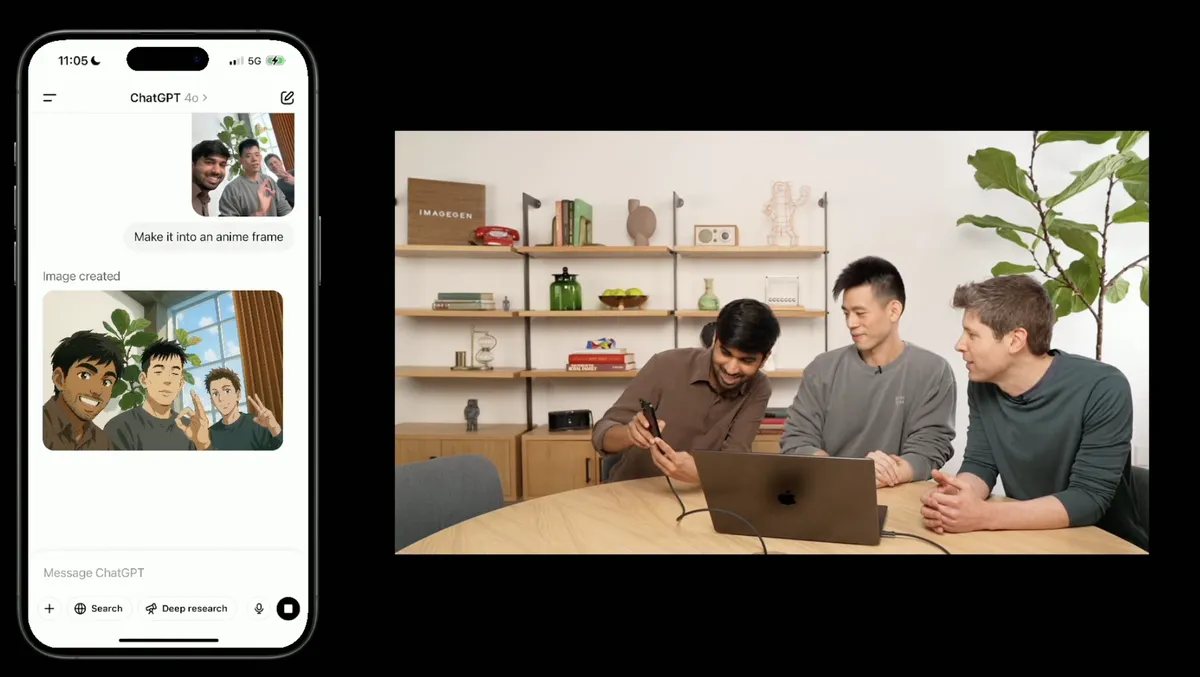
OpenAI is taking a leap forward in the world of artificial intelligence. During a recent livestream, CEO Sam Altman announced a significant upgrade to ChatGPT’s image-generation capabilities. This update integrates the advanced GPT-4o model, transforming the way users interact with AI for image creation and editing.
Introducing GPT-4o: Future of AI Image Generation
For many months, ChatGPT was known for its groundbreaking text-based functionalities. With the introduction of GPT-4o, ChatGPT now offers native image generation and editing, merging text and visual creativity in a single, powerful platform.
Key Features of GPT-4o’s Image Capabilities
- Enhanced Detail and Accuracy
GPT-4o produces images that are remarkably detailed and lifelike. Although the model takes a little longer to “think” compared to its predecessor, DALL-E 3, the extra processing time results in images with superior resolution, accurate textures, and refined lighting. This makes it an ideal tool for artists, designers, and content creators seeking high-quality visuals.
- Advanced Image Editing with Inpainting
The upgrade introduces a robust inpainting feature. Users can now modify existing images by adding or removing elements seamlessly. This tool is perfect for tasks such as retouching photos, changing backgrounds, or tweaking visual elements without the need for professional editing software.
- Realistic Human Image Editing:
One of the standout improvements is GPT-4o’s ability to work with images containing people. The model can edit facial features and other aspects with impressive realism, making it a versatile tool for personal and professional projects.
- Seamless Integration with Sora for Video Creation:
Technology Behind GPT-4o
OpenAI trained GPT-4o on a mixture of publicly available data and proprietary content from partners such as Shutterstock. This diverse training set enables GPT-4o to understand and generate complex visual scenes, making it one of the most sophisticated AI models for image processing available today.
Balancing Innovation with Intellectual Property Rights
AI-driven image generation has sparked debates over copyright and ethical usage of training data. OpenAI has addressed these concerns by implementing strict policies that prevent the model from replicating the unique style of living artists. The company also offers an opt-out form for creators who wish to have their work removed from the training data. This commitment to respecting intellectual property ensures that GPT-4o is both innovative and ethically responsible.
“We’re respectful of artists’ rights and have policies in place to prevent our models from directly mimicking living artists’ work,” said Brad Lightcap, OpenAI’s Chief Operating Officer, in a statement to The Wall Street Journal.
How GPT-4o Stands Out in a Competitive Landscape
OpenAI’s upgrade comes at a time when many tech giants are exploring the realm of AI image generation. For example, Google recently unveiled experimental image-generation capabilities in its Gemini 2.0 Flash model. However, early feedback highlighted some issues with watermark removal and copyright concerns. GPT-4o, on the other hand, has been designed with robust safeguards and is set apart by its emphasis on ethical AI practices.
Comparing GPT-4o with Competitors
- Accuracy and Detail
GPT-4o’s ability to generate detailed images sets it apart from earlier models and some competing technologies. This accuracy is crucial for users who need high-quality visuals for professional applications.
- Ethical Considerations
With strict policies against the replication of copyrighted styles, GPT-4o leads the way in responsible AI usage. This focus on ethics is essential in today’s digital landscape, where content authenticity and intellectual property rights are paramount.
- User Accessibility
Currently, GPT-4o is available for OpenAI’s Pro subscribers at $200 per month. However, OpenAI has announced plans to roll out the feature to Plus and free-tier users soon, as well as to developers via its API. This accessibility ensures that a wide range of users can benefit from the upgrade.
OpenAI is entering an increasingly competitive field with this upgrade. Other major tech companies, including Google, Adobe, and MidJourney, have been making strides in AI image generation. Here’s how GPT-4o stacks up against its competitors:
AI Models Comparison
| Feature | GPT-4o (OpenAI) | Gemini 2.0 Flash (Google) | Adobe Firefly Image 3 | MidJourney V6.1 |
|---|---|---|---|---|
| Image Quality | Ultra-realistic, highly detailed with native generation | Photorealistic detail, but minor inconsistencies persist | Superior creative & artistic visuals, photorealistic precision | Stunning realism, enhanced coherence for artistic depth |
| Editing Capabilities | Advanced inpainting, real-time image editing | Basic edits via natural language, lacks precision | Powerful AI-assisted editing, seamless retouching | Limited to prompt-based tweaks, no direct editing |
| Speed & Performance | Slightly slower for enhanced accuracy, improved generation | Fastest image generation, high efficiency | Quick, optimized for batch processing | Fast, balanced with quality output |
| Human Image Handling | Edits real people with lifelike precision | Improved, but struggles with facial details | Artistic enhancement over photorealism | High-quality human figures, artistic focus |
| Customization & Control | Detailed control over textures, lighting, and styles | Limited style control, conversational tweaks | Robust designer controls, style presets | Enhanced prompt-based tuning |
| Integration | Native with Sora for video, ChatGPT ecosystem | Deep integration with Google AI tools | Seamless Adobe suite support | Discord-based, new API options |
| Ethical Safeguards | Artist opt-out, copyright respect | Authenticity issues, fewer guardrails | Watermarking, strict licensing | Bias and replication concerns remain |
| Best For | Content creators, developers, real-time editors | General users, rapid prototyping | Professional designers, creative pros | Artists, fantasy illustrators |
| Accessibility | Rolling out to all ChatGPT tiers | Free via Google AI Studio, API access | Creative Cloud plans, standalone options | Subscription with community features |
Benefits for Users Across Various Industries
The upgraded image-generation capabilities of ChatGPT are set to benefit a broad spectrum of users. Here’s how different groups can take advantage of GPT-4o:
- Artists and Designers
- Content Creators and Marketers
- Developers and Tech Enthusiasts
- Educational Institutions and Students
Closer Look at the Integration with Sora
Sora, OpenAI’s AI-driven video-generation platform, works in tandem with GPT-4o to deliver a comprehensive multimedia experience. This integration means users can now take their images and transform them into engaging videos. Whether it’s for a social media campaign, a video blog, or educational content, the combined power of GPT-4o and Sora makes it easier than ever to produce professional-quality video content.
How Sora Enhances Creative Possibilities
- Dynamic Content Creation
By converting images into videos, users can create dynamic content that is more engaging than static visuals alone. This is particularly useful for platforms where video content tends to attract more attention.
- Streamlined Workflow
Impact of Ethical AI Practices
The move to integrate ethical safeguards in GPT-4o’s design reflects a growing trend in AI development. As generative models become more prevalent, the need for transparency and respect for intellectual property has never been greater. OpenAI’s proactive measures not only set a benchmark for other companies but also help build trust with users who are increasingly concerned about the ethical implications of AI.
Why Ethical AI Matters?
- Protecting Artists and Creators
- Building User Trust
- Setting Industry Standards
What’s Next for AI-Powered Image Generation?
The introduction of GPT-4o is a clear indication that the future of AI is not just about text or images alone—it’s about the seamless integration of multiple creative mediums. As AI technology continues to evolve, we can expect further enhancements that will expand the creative possibilities for everyone from hobbyists to professionals.
Potential Developments on the Horizon
- Broader Accessibility
OpenAI’s plan to extend GPT-4o to Plus and free users will democratize access to advanced AI tools, making cutting-edge technology available to a broader audience.
- Enhanced Customization
Future updates may include more customizable options for image and video generation, allowing users to fine-tune outputs even further to suit their specific needs.
- Integration with More Platforms
As AI becomes a core component of creative workflows, integration with additional platforms and software tools could further streamline the creative process, fostering innovation across industries.
- Shutterstock – Learn more about the image resources that contributed to GPT-4o’s training.
- The Wall Street Journal – Read detailed reports on OpenAI’s announcements and ethical AI practices.
- OpenAI Blog – Stay updated with the latest news and developments from OpenAI.

Ibrahim Philip 

Ibrahim Philip is a highly skilled Content Writer with a passion for simplifying complex science and technology topics. Holding a Master's degree from the University of Manchester, he crafts compelling, well-researched content at Trendsnip, making knowledge engaging and accessible to all.







About the Author

It’s difficult to find educated people in this particular subject, however,
you sound like you know what you’re talking about!
Thanks