Wear Your Way to Recovery: Smart T-Shirt Changes the Game
Rise of Telemedicine and Wearables
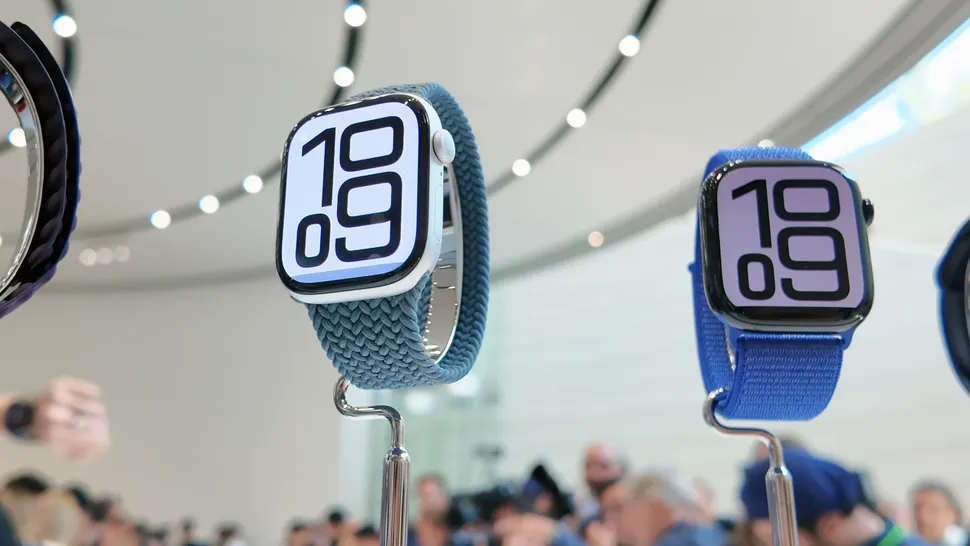
Telemedicine has taken the world by storm, especially since the COVID-19 pandemic flipped healthcare on its head. According to a 2023 McKinsey report, telehealth usage has stabilized at 38 times higher than pre-pandemic levels. Meanwhile, wearables like Fitbits and Apple Watches have become everyday tools, tracking everything from steps to sleep. But here’s the catch: these consumer gadgets often fall short when it comes to the precision needed for serious medical care, like recovering from surgery.
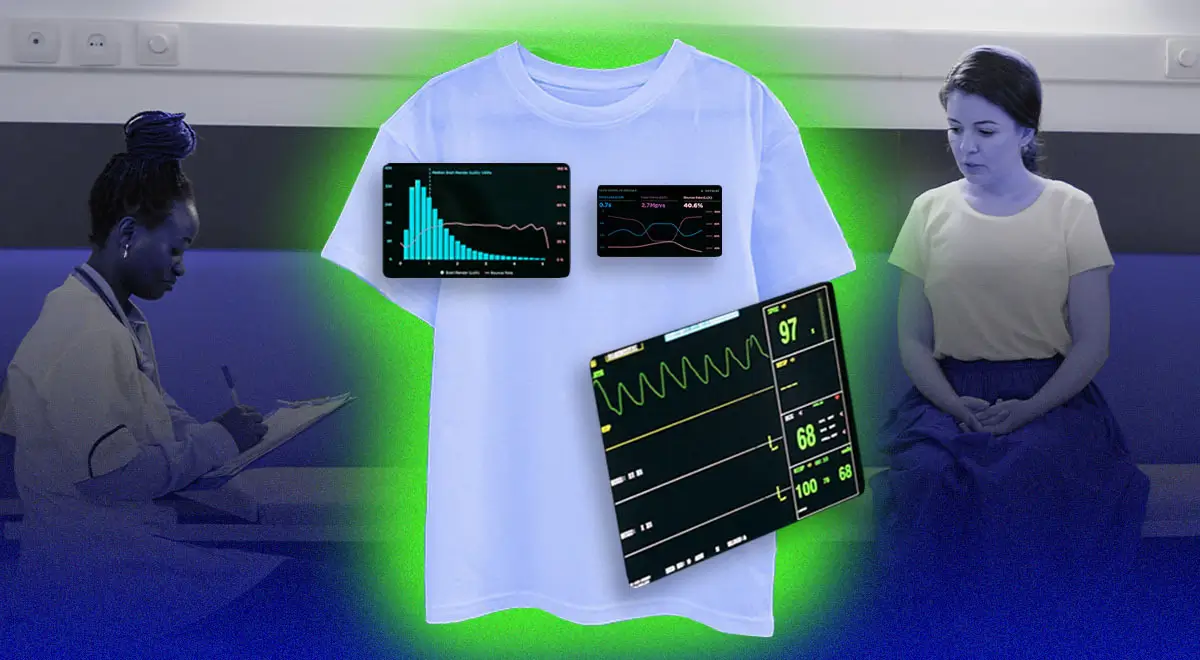
That’s where the smart t-shirt steps in. Developed by researchers at Sapienza University in Rome and LET’s Webearable Solutions, this isn’t your average fitness tracker. It’s a medical-grade wearable designed specifically for post-surgical patients, offering detailed health insights that let doctors keep tabs on you from afar. Think of it as a bridge between the smartwatch on your wrist and the high-tech monitors in a hospital room—a game-changer in the evolution of wearable recovery.
The Study
In a pilot study showcased at the European Association of Urology (EAU) Congress in Madrid on March 25, 2025, researchers put the smart t-shirt to the test. They recruited 70 patients recovering from robot-assisted urological cancer surgery and split them into two groups: one wore the smart t-shirt, while the other received standard care. The results? Eye-opening.
Key Findings
- Faster Recovery at Home: T-shirt wearers left the hospital 24-36 hours earlier than the control group, who stayed for the usual 3-5 days.
- Fewer Setbacks: Only 6% of t-shirt users needed unexpected hospital visits, compared to 26% in the control group.
- Happy Patients: A whopping 90% of participants felt safer recovering at home with the t-shirt, and just 10% found it tricky to use.
Associate Professor Antonio L Pastore, the study’s lead, said, “We wanted to see if remote monitoring could get patients home sooner without compromising safety. The smart t-shirt exceeded our expectations—it’s a win for both patients and healthcare systems.” But not everyone’s ready to celebrate just yet. Professor Maarten Albersen from UZ Leuven, Belgium, added, “This is an exciting start, but we need bigger studies to confirm these benefits across more patients.”
How It Works?
The smart t-shirt, crafted by LET’s Webearable Solutions, looks like a regular shirt but hides some serious tech. It’s lightweight, washable, and free of metal parts—perfect for all-day comfort. Here’s what its biosensors track:
- Heart Electrical Activity (ECG): Spots irregular heart rhythms.
- Respiratory Rate: Keeps an eye on your breathing.
- Heart Rate & Temperature: Monitors your cardiovascular health.
- Blood Glucose & Electrolytes: Analyzes your sweat for non-invasive insights.
The data zips through an app and web software to your doctor’s screen, no hospital visit required. Unlike old-school methods—think frequent blood draws or clunky bedside monitors—this t-shirt makes health tracking effortless.
Sweat
One standout feature? It uses sweat analysis to check electrolytes like sodium and potassium. While sweat tests are common for diagnosing cystic fibrosis, using them for general health monitoring is cutting-edge. A study in the Journal of Clinical Investigation notes that sweat can hint at blood levels, though it’s not as precise yet. For now, the t-shirt excels at spotting trends—like dehydration risks—giving doctors a heads-up before trouble strikes.


Why It Matters?
This smart t-shirt isn’t just about tech—it’s about making life better. Here’s how:
- Home Sweet Home: Recovering in your own space, with family nearby, can lift your spirits. One patient raved, “It was like having a nurse with me, but I got to sleep in my own bed!”
- Saving Money: Shorter hospital stays cut costs for you and ease the load on healthcare systems. A 2022 Health Affairs study found that reducing readmissions could save billions yearly in the U.S. alone.
- Catching Problems Early: Real-time alerts help doctors nip complications in the bud, keeping you out of the ER.
Beyond individual wins, this tech could free up hospital beds—a huge deal when wards are packed. Picture it scaling up to other surgeries or even chronic illnesses: wearable recovery could become the norm.
The Hurdles: What’s Holding It Back?
No innovation is perfect, and the smart t-shirt has its challenges:
- Limited Data: With only 70 participants, the study’s a starting point, not a slam dunk. Larger trials are a must.
- Part-Time Monitoring: Worn for three-hour chunks three times a day, it might miss issues in between. Continuous wear is the next frontier, but that needs better batteries.
- Sweat vs. Blood: Sweat analysis is cool but less exact than blood tests. It’s great for trends, not pinpoint accuracy—yet.
- Privacy Worries: Sending health data over the internet raises hack risks. Strong encryption and laws like HIPAA are non-negotiable.
These aren’t dealbreakers, though. With more research, the smart t-shirt could overcome these bumps and shine even brighter.
What’s Next?
This t-shirt is just the tip of the iceberg. Here’s where it could go:
- Beyond Surgery: Managing chronic conditions like diabetes or heart disease with wearables could slash hospital visits.
- 5G Power: LET’s Webearable Solutions is eyeing 5G integration for instant data sharing—think faster emergency responses.
- Wider Reach: From knee replacements to heart surgeries, this tech could adapt to countless procedures.
As sensors get smarter and smaller, we might see round-the-clock monitoring become standard, turning wearable tech into a healthcare powerhouse.
How It Stacks Up
Compared to fitness-focused wearables like the Hexoskin smart shirt (Hexoskin), the smart t-shirt is in a league of its own. Hexoskin tracks heart rate and breathing for athletes and researchers, but it’s not built for medical-grade post-surgical care. The t-shirt’s sweat-based electrolyte checks and doctor-friendly software set it apart, though its intermittent use (unlike Hexoskin’s all-day wear) is a trade-off for battery life and practicality.
Real Voices
Patients loved the freedom it offered. One shared, “I wasn’t stuck in a sterile room—I was home, and the t-shirt kept me connected.” Experts are intrigued but measured. Professor Albersen noted, “It’s a brilliant concept. If it holds up in bigger trials, it could transform recovery for millions.”
Big Picture
The smart t-shirt isn’t just a gadget—it’s a lifeline linking patients and doctors, shrinking hospital stays, and making recovery more human. As telemedicine and wearable tech merge, innovations like this will shape a future where healthcare is smarter, kinder, and closer to home.
Want to stay in the loop on health tech breakthroughs? Bookmark us at trendsnip and join the journey toward a healthier tomorrow.
Smart T-Shirt vs. Standard Care
| Feature | Smart T-Shirt Group | Control Group |
|---|---|---|
| Hospital Stay | 24-36 hours shorter | 3-5 days |
| Unplanned Visits | 6% | 26% |
| Feeling Safe | 90% | Not tracked |
| Ease of Use | 10% had issues | Not applicable |

Dr. Mariya Ivanova

A distinguished Scientific Content Writer at Trendsnip with over 3 years of research-based writing experience, adept at translating complex discoveries into engaging narratives for diverse audiences. Holds a doctorate from a premier Russian university.
About the Author